Buy edelleute.eu ?
We are moving the project
edelleute.eu .
Are you interested in purchasing the domain
edelleute.eu ?
domain@kv-gmbh.de · 0541-91531010
Buy edelleute.eu ?
How can energy be fed into a decentralized heat pump?
Energy can be fed into a decentralized heat pump through various sources such as electricity, solar power, or geothermal energy. The heat pump uses this energy to extract heat from the surrounding environment and transfer it into a building for heating purposes. In the case of electricity, it can be sourced from renewable sources to ensure a more sustainable and environmentally friendly operation of the heat pump. Additionally, decentralized heat pumps can also be integrated with smart grid systems to optimize energy usage and reduce overall energy consumption. **
Can a drilling machine pump be powered by wind energy?
Yes, a drilling machine pump can be powered by wind energy. This can be achieved by using a wind turbine to generate electricity, which can then be used to power the drilling machine pump. The wind turbine converts the kinetic energy of the wind into mechanical power, which is then converted into electrical power to operate the drilling machine pump. This is a sustainable and environmentally friendly way to power the drilling machine pump, as it relies on renewable wind energy. **
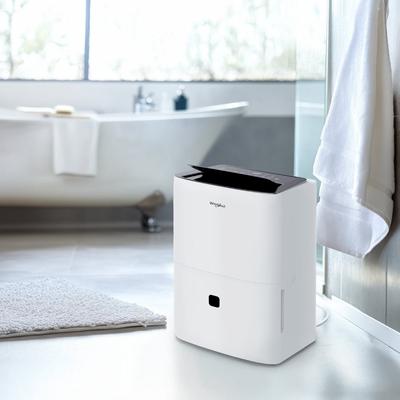
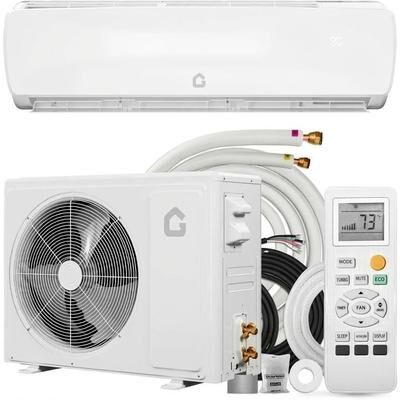
Similar search terms for ENERGY-G10025-Petrol-pump
Top-Angebote
Products related to ENERGY-G10025-Petrol-pump:
-
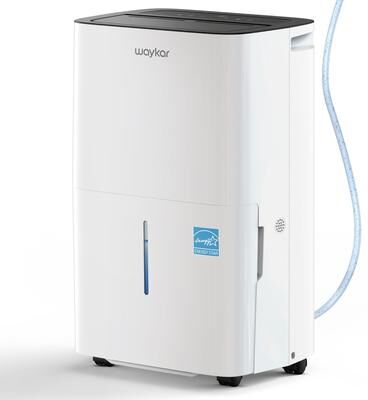
Waykar 150 Pint Energy Star Dehumidifier with Pump, up to 7500 Sq.Ft for Home BasementHigh-Capacity Moisture Removal & Wide Coverage: Extracts up to 150 pints of moisture per day, making it suitable for efficiently managing humidity in large areas up to 7,500 sq. ft.292,59 $*Shipping: 0,00 $Secure redirect to the provider


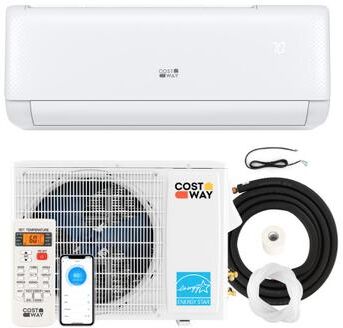
-
Is the heat pump really the energy of the future?
The heat pump is considered to be a promising technology for the future of energy. It is an efficient and environmentally friendly way to heat and cool buildings, as it uses renewable energy sources such as the air, ground, or water. Heat pumps also have the potential to reduce greenhouse gas emissions and decrease reliance on fossil fuels. However, there are still challenges to overcome, such as high upfront costs and the need for infrastructure improvements. Overall, while the heat pump shows great potential, it will likely be part of a mix of technologies that will shape the future of energy. **
-
How is the energy conversion carried out in a heat pump?
In a heat pump, energy conversion is carried out through the use of a refrigerant. The heat pump uses electricity to drive a compressor, which increases the pressure and temperature of the refrigerant. The hot, high-pressure refrigerant then flows through a condenser, where it releases heat to the surrounding air or water. The now-cooled refrigerant then passes through an expansion valve, which reduces its pressure and temperature. This low-pressure, cool refrigerant then absorbs heat from the outside air or ground as it passes through the evaporator, and the cycle repeats. This process allows the heat pump to transfer heat from a low-temperature source to a high-temperature space, providing heating or cooling as needed. **
-
How can I calculate the time and energy of the pump?
To calculate the time and energy of the pump, you can use the formula: Energy (in kilowatt-hours) = Power (in kilowatts) x Time (in hours). First, determine the power of the pump by multiplying the voltage by the current. Then, measure the time the pump is in operation. Finally, use the formula to calculate the energy consumption of the pump. This will give you the amount of energy used by the pump over a specific period of time. **
-
What is an energy-saving heating pump and how can it be used as an alternative to the built-in pump?
An energy-saving heating pump is a device that efficiently transfers heat from one place to another, typically used for heating or cooling purposes. It can be used as an alternative to a built-in pump by providing a more efficient and cost-effective way to heat or cool a space. By using a heating pump, energy consumption can be reduced, leading to lower utility bills and a smaller environmental footprint. Additionally, heating pumps can be used in conjunction with renewable energy sources, such as solar or geothermal power, further reducing reliance on traditional heating methods. **

How does the sodium-potassium pump work in terms of matter and energy conversion?
The sodium-potassium pump is a type of active transport that moves sodium ions out of the cell and potassium ions into the cell against their concentration gradients. This process requires energy in the form of ATP to pump the ions across the cell membrane. The pump uses the energy from ATP hydrolysis to change its shape, allowing it to transport the ions. Overall, the sodium-potassium pump helps maintain the cell's resting membrane potential and is crucial for various cellular functions. **
How does the sodium-potassium pump work in terms of substance and energy conversion?
The sodium-potassium pump is a vital mechanism in maintaining the cell's electrochemical gradient. It actively transports three sodium ions out of the cell and two potassium ions into the cell against their respective concentration gradients. This process requires energy in the form of ATP, which is hydrolyzed to provide the necessary energy for the pump to function. By utilizing this energy, the pump helps to establish and maintain the resting membrane potential of the cell, which is crucial for various cellular functions such as nerve impulse transmission and muscle contraction. **
Top-Angebote
Products related to ENERGY-G10025-Petrol-pump:
-
Waykar 150 Pint Energy Star Dehumidifier with Pump, up to 7500 Sq.Ft for Home BasementHigh-Capacity Moisture Removal & Wide Coverage: Extracts up to 150 pints of moisture per day, making it suitable for efficiently managing humidity in large areas up to 7,500 sq. ft.292,59 $*Shipping: 0,00 $Secure redirect to the provider
-
How can energy be fed into a decentralized heat pump?
Energy can be fed into a decentralized heat pump through various sources such as electricity, solar power, or geothermal energy. The heat pump uses this energy to extract heat from the surrounding environment and transfer it into a building for heating purposes. In the case of electricity, it can be sourced from renewable sources to ensure a more sustainable and environmentally friendly operation of the heat pump. Additionally, decentralized heat pumps can also be integrated with smart grid systems to optimize energy usage and reduce overall energy consumption. **
-
Can a drilling machine pump be powered by wind energy?
Yes, a drilling machine pump can be powered by wind energy. This can be achieved by using a wind turbine to generate electricity, which can then be used to power the drilling machine pump. The wind turbine converts the kinetic energy of the wind into mechanical power, which is then converted into electrical power to operate the drilling machine pump. This is a sustainable and environmentally friendly way to power the drilling machine pump, as it relies on renewable wind energy. **
-
Is the heat pump really the energy of the future?
The heat pump is considered to be a promising technology for the future of energy. It is an efficient and environmentally friendly way to heat and cool buildings, as it uses renewable energy sources such as the air, ground, or water. Heat pumps also have the potential to reduce greenhouse gas emissions and decrease reliance on fossil fuels. However, there are still challenges to overcome, such as high upfront costs and the need for infrastructure improvements. Overall, while the heat pump shows great potential, it will likely be part of a mix of technologies that will shape the future of energy. **
-
How is the energy conversion carried out in a heat pump?
In a heat pump, energy conversion is carried out through the use of a refrigerant. The heat pump uses electricity to drive a compressor, which increases the pressure and temperature of the refrigerant. The hot, high-pressure refrigerant then flows through a condenser, where it releases heat to the surrounding air or water. The now-cooled refrigerant then passes through an expansion valve, which reduces its pressure and temperature. This low-pressure, cool refrigerant then absorbs heat from the outside air or ground as it passes through the evaporator, and the cycle repeats. This process allows the heat pump to transfer heat from a low-temperature source to a high-temperature space, providing heating or cooling as needed. **
Similar search terms for ENERGY-G10025-Petrol-pump
-
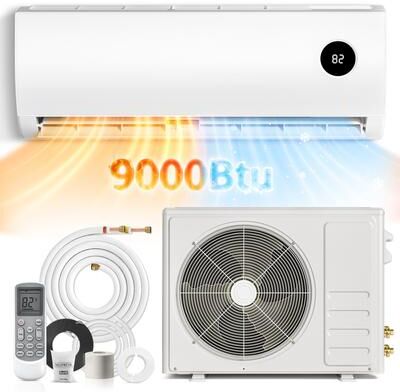
/ 9,000 BTU Portable Air Conditioner & Heat Pump, Low Noise, Energy-Efficient Climate Control for Home, Office & RV.Enjoy year-round indoor comfort with this 9,000 BTU portable inverter air conditioner and heat pump, engineered to provide efficient cooling, heating, and dehumidification in one compact unit.542,49 $*Shipping: 0,00 $Secure redirect to the provider
-
How can I calculate the time and energy of the pump?
To calculate the time and energy of the pump, you can use the formula: Energy (in kilowatt-hours) = Power (in kilowatts) x Time (in hours). First, determine the power of the pump by multiplying the voltage by the current. Then, measure the time the pump is in operation. Finally, use the formula to calculate the energy consumption of the pump. This will give you the amount of energy used by the pump over a specific period of time. **
-
What is an energy-saving heating pump and how can it be used as an alternative to the built-in pump?
An energy-saving heating pump is a device that efficiently transfers heat from one place to another, typically used for heating or cooling purposes. It can be used as an alternative to a built-in pump by providing a more efficient and cost-effective way to heat or cool a space. By using a heating pump, energy consumption can be reduced, leading to lower utility bills and a smaller environmental footprint. Additionally, heating pumps can be used in conjunction with renewable energy sources, such as solar or geothermal power, further reducing reliance on traditional heating methods. **
-
How does the sodium-potassium pump work in terms of matter and energy conversion?
The sodium-potassium pump is a type of active transport that moves sodium ions out of the cell and potassium ions into the cell against their concentration gradients. This process requires energy in the form of ATP to pump the ions across the cell membrane. The pump uses the energy from ATP hydrolysis to change its shape, allowing it to transport the ions. Overall, the sodium-potassium pump helps maintain the cell's resting membrane potential and is crucial for various cellular functions. **
-
How does the sodium-potassium pump work in terms of substance and energy conversion?
The sodium-potassium pump is a vital mechanism in maintaining the cell's electrochemical gradient. It actively transports three sodium ions out of the cell and two potassium ions into the cell against their respective concentration gradients. This process requires energy in the form of ATP, which is hydrolyzed to provide the necessary energy for the pump to function. By utilizing this energy, the pump helps to establish and maintain the resting membrane potential of the cell, which is crucial for various cellular functions such as nerve impulse transmission and muscle contraction. **
* All prices are inclusive of VAT and, if applicable, plus shipping costs. The offer information is based on the details provided by the respective shop and is updated through automated processes. Real-time updates do not occur, so deviations can occur in individual cases. ** Note: Parts of this content were created by AI.