Buy edelleute.eu ?
We are moving the project
edelleute.eu .
Are you interested in purchasing the domain
edelleute.eu ?
domain@kv-gmbh.de · 0541-91531010
Buy edelleute.eu ?
What intermolecular forces exist?
Intermolecular forces are the forces of attraction and repulsion between molecules. The main types of intermolecular forces include London dispersion forces, dipole-dipole interactions, and hydrogen bonding. London dispersion forces are the weakest type of intermolecular force and occur between all molecules. Dipole-dipole interactions occur between polar molecules, where the positive end of one molecule is attracted to the negative end of another. Hydrogen bonding is a special type of dipole-dipole interaction that occurs when hydrogen is bonded to highly electronegative atoms like oxygen, nitrogen, or fluorine. **
What are intermolecular interactions?
Intermolecular interactions are the forces of attraction or repulsion between molecules. These interactions play a crucial role in determining the physical and chemical properties of substances. Examples of intermolecular interactions include hydrogen bonding, van der Waals forces, and dipole-dipole interactions. These forces can affect properties such as boiling and melting points, solubility, and viscosity. **

Similar search terms for Intermolecular
Top-Angebote
Products related to Intermolecular:
-
Touch of Class Floral Sophistication Wall Art Ivory , IvoryBeautiful blossoms unfurl a new level of Floral Sophistication within your space. With a dimensional layered design, the hand-finished metal wall sculpture features textured light ivory flowers with lovely blush centers, golden openwork blooms,...229,00 $*Shipping: 32,06 $Secure redirect to the provider
-
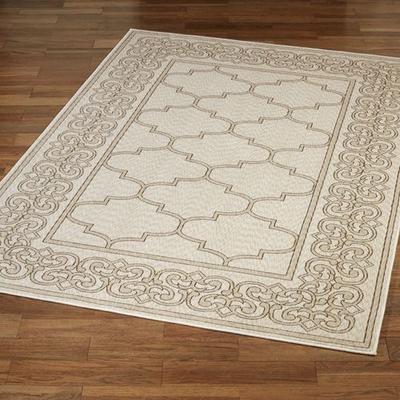
Touch of Class "Nobility Rectangle Rug Beige, 3'10"" x 5'5"", Beige"Quatrefoil and medallion designs reign supreme on the Nobility Rug. This power-loomed, polyester area rug, .30 thick, has ornate motifs that decorate with elegant splendor. Colors include warm beige, deep brown, and ivory. We recommend professional...279,00 $*Shipping: 39,06 $Secure redirect to the provider
-
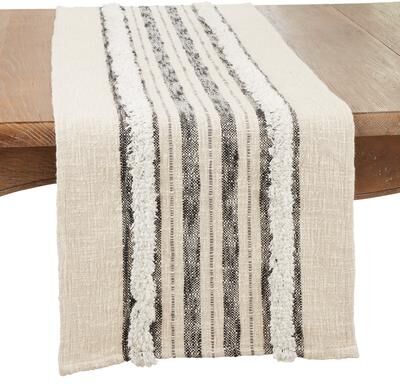
Saro Lifestyle "Modern Sophistication Woven Textured Stripe Table Runner - 16""x72"""Add a touch of sophistication to your table with this Woven Striped Table Runner. The intricately woven design showcases timeless stripes, creating a classic and elegant look.36,99 $*Shipping: 0,00 $Secure redirect to the provider


-
What are intermolecular forces?
Intermolecular forces are the attractive forces that exist between molecules. These forces are responsible for holding molecules together in a liquid or solid state. There are several types of intermolecular forces, including hydrogen bonding, dipole-dipole interactions, and London dispersion forces. These forces play a crucial role in determining the physical properties of substances, such as their boiling and melting points, as well as their solubility and viscosity. **
-
How are intermolecular forces classified?
Intermolecular forces are classified into three main categories: dispersion forces, dipole-dipole forces, and hydrogen bonding. Dispersion forces are the weakest type of intermolecular force and are caused by temporary fluctuations in electron distribution within molecules. Dipole-dipole forces occur between polar molecules and are stronger than dispersion forces. Hydrogen bonding is the strongest type of intermolecular force and occurs when hydrogen is bonded to highly electronegative atoms like oxygen, nitrogen, or fluorine. **
-
What are strong intermolecular interactions?
Strong intermolecular interactions are attractive forces between molecules that are stronger than typical van der Waals forces. These interactions can include hydrogen bonding, dipole-dipole interactions, and ion-dipole interactions. Strong intermolecular interactions play a crucial role in determining the physical properties of substances such as boiling point, melting point, and solubility. They are important in various biological processes, such as protein folding and DNA replication. **
-
Which intermolecular interactions are possible?
Intermolecular interactions that are possible include hydrogen bonding, dipole-dipole interactions, and London dispersion forces. Hydrogen bonding occurs when a hydrogen atom is bonded to a highly electronegative atom such as oxygen, nitrogen, or fluorine. Dipole-dipole interactions occur between molecules with permanent dipoles, while London dispersion forces are the weakest intermolecular interactions and occur between all molecules due to temporary fluctuations in electron distribution. These interactions play a crucial role in determining the physical properties of substances such as boiling and melting points. **


What are intermolecular interactions in chemistry?
Intermolecular interactions are the forces of attraction or repulsion between molecules. These interactions play a crucial role in determining the physical properties of substances, such as boiling point, melting point, and solubility. The main types of intermolecular interactions include hydrogen bonding, dipole-dipole interactions, and van der Waals forces. These interactions are weaker than chemical bonds within a molecule, but they still significantly impact the behavior and properties of substances. **
Which intermolecular forces are the strongest?
The strongest intermolecular forces are hydrogen bonding, which occurs when a hydrogen atom is bonded to a highly electronegative atom such as oxygen, nitrogen, or fluorine. Hydrogen bonding is stronger than dipole-dipole interactions and London dispersion forces. This is because hydrogen bonding involves a particularly strong attraction between the partially positive hydrogen atom and the partially negative atom it is bonded to, leading to a higher energy of interaction compared to other intermolecular forces. **
Top-Angebote
Products related to Intermolecular:
-
RLF Home Nobility Glory Valance"Nobility Glory Valance. Decorator's quality fabric. Fully lined with ivory poly/cotton goods. 3"" rod pocket fits a window up to 48""W. Use a 2-1/2"" contintal rod, regular 3/4"" rod, tension rod or decorative pole up to 1-3/8"" diameter."76,99 $*Shipping: 0,00 $Secure redirect to the provider
-
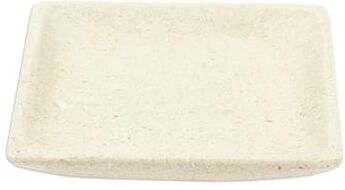
Novica Handmade Ecru Sophistication Marble PlateMexico's Sierra Family works with marble, a sturdy and precious material, to create sophisticated accents for your table. This time, they present a square plate in a refined ecru tone, polished for an elegant style and perfect for a minimalist touch.75,98 $*Shipping: 0,00 $Secure redirect to the provider
-
Touch of Class Floral Sophistication Wall Art Ivory , IvoryBeautiful blossoms unfurl a new level of Floral Sophistication within your space. With a dimensional layered design, the hand-finished metal wall sculpture features textured light ivory flowers with lovely blush centers, golden openwork blooms,...229,00 $*Shipping: 32,06 $Secure redirect to the provider
-
What intermolecular forces exist?
Intermolecular forces are the forces of attraction and repulsion between molecules. The main types of intermolecular forces include London dispersion forces, dipole-dipole interactions, and hydrogen bonding. London dispersion forces are the weakest type of intermolecular force and occur between all molecules. Dipole-dipole interactions occur between polar molecules, where the positive end of one molecule is attracted to the negative end of another. Hydrogen bonding is a special type of dipole-dipole interaction that occurs when hydrogen is bonded to highly electronegative atoms like oxygen, nitrogen, or fluorine. **
-
What are intermolecular interactions?
Intermolecular interactions are the forces of attraction or repulsion between molecules. These interactions play a crucial role in determining the physical and chemical properties of substances. Examples of intermolecular interactions include hydrogen bonding, van der Waals forces, and dipole-dipole interactions. These forces can affect properties such as boiling and melting points, solubility, and viscosity. **
-
What are intermolecular forces?
Intermolecular forces are the attractive forces that exist between molecules. These forces are responsible for holding molecules together in a liquid or solid state. There are several types of intermolecular forces, including hydrogen bonding, dipole-dipole interactions, and London dispersion forces. These forces play a crucial role in determining the physical properties of substances, such as their boiling and melting points, as well as their solubility and viscosity. **
-
How are intermolecular forces classified?
Intermolecular forces are classified into three main categories: dispersion forces, dipole-dipole forces, and hydrogen bonding. Dispersion forces are the weakest type of intermolecular force and are caused by temporary fluctuations in electron distribution within molecules. Dipole-dipole forces occur between polar molecules and are stronger than dispersion forces. Hydrogen bonding is the strongest type of intermolecular force and occurs when hydrogen is bonded to highly electronegative atoms like oxygen, nitrogen, or fluorine. **
Similar search terms for Intermolecular
-
Touch of Class "Nobility Rectangle Rug Beige, 3'10"" x 5'5"", Beige"Quatrefoil and medallion designs reign supreme on the Nobility Rug. This power-loomed, polyester area rug, .30 thick, has ornate motifs that decorate with elegant splendor. Colors include warm beige, deep brown, and ivory. We recommend professional...279,00 $*Shipping: 39,06 $Secure redirect to the provider
-
Saro Lifestyle "Modern Sophistication Woven Textured Stripe Table Runner - 16""x72"""Add a touch of sophistication to your table with this Woven Striped Table Runner. The intricately woven design showcases timeless stripes, creating a classic and elegant look.36,99 $*Shipping: 0,00 $Secure redirect to the provider
-
Martex Elegance Satin Sheet Set Silky Soft Smooth Luxury Bed SheetsBeauty Sleep Friendly: These sheets are soft on skin and gentle on hair, helping reduce hair breakage and friction. Satin bedding transforms your sleep experience with a smooth, silky feel that elevates nightly comfort.28,99 $*Shipping: 0,00 $Secure redirect to the provider
-
Touch of Class "Nobility Rectangle Rug Beige, 5'3"" x 7'6"", Beige"Quatrefoil and medallion designs reign supreme on the Nobility Rug. This power-loomed, polyester area rug, .30 thick, has ornate motifs that decorate with elegant splendor. Colors include warm beige, deep brown, and ivory. We recommend professional...499,00 $*Shipping: 69,86 $Secure redirect to the provider
-
What are strong intermolecular interactions?
Strong intermolecular interactions are attractive forces between molecules that are stronger than typical van der Waals forces. These interactions can include hydrogen bonding, dipole-dipole interactions, and ion-dipole interactions. Strong intermolecular interactions play a crucial role in determining the physical properties of substances such as boiling point, melting point, and solubility. They are important in various biological processes, such as protein folding and DNA replication. **
-
Which intermolecular interactions are possible?
Intermolecular interactions that are possible include hydrogen bonding, dipole-dipole interactions, and London dispersion forces. Hydrogen bonding occurs when a hydrogen atom is bonded to a highly electronegative atom such as oxygen, nitrogen, or fluorine. Dipole-dipole interactions occur between molecules with permanent dipoles, while London dispersion forces are the weakest intermolecular interactions and occur between all molecules due to temporary fluctuations in electron distribution. These interactions play a crucial role in determining the physical properties of substances such as boiling and melting points. **
-
What are intermolecular interactions in chemistry?
Intermolecular interactions are the forces of attraction or repulsion between molecules. These interactions play a crucial role in determining the physical properties of substances, such as boiling point, melting point, and solubility. The main types of intermolecular interactions include hydrogen bonding, dipole-dipole interactions, and van der Waals forces. These interactions are weaker than chemical bonds within a molecule, but they still significantly impact the behavior and properties of substances. **
-
Which intermolecular forces are the strongest?
The strongest intermolecular forces are hydrogen bonding, which occurs when a hydrogen atom is bonded to a highly electronegative atom such as oxygen, nitrogen, or fluorine. Hydrogen bonding is stronger than dipole-dipole interactions and London dispersion forces. This is because hydrogen bonding involves a particularly strong attraction between the partially positive hydrogen atom and the partially negative atom it is bonded to, leading to a higher energy of interaction compared to other intermolecular forces. **
* All prices are inclusive of VAT and, if applicable, plus shipping costs. The offer information is based on the details provided by the respective shop and is updated through automated processes. Real-time updates do not occur, so deviations can occur in individual cases. ** Note: Parts of this content were created by AI.