Buy edelleute.eu ?
We are moving the project
edelleute.eu .
Are you interested in purchasing the domain
edelleute.eu ?
domain@kv-gmbh.de · 0541-91531010
Buy edelleute.eu ?
How was warfare conducted in the mid-20th century?
Warfare in the mid-20th century was characterized by the use of conventional military tactics and strategies, as well as the widespread use of new technologies such as tanks, aircraft, and naval vessels. The two World Wars during this time period saw the large-scale mobilization of troops, the use of trench warfare, and the development of new weapons such as machine guns, artillery, and chemical weapons. Additionally, the mid-20th century saw the introduction of nuclear weapons, which significantly altered the nature of warfare and international relations. Overall, warfare in the mid-20th century was marked by a combination of traditional and modern tactics and technologies. **
What is the name of an oil painting from the mid-late 19th century?
One famous oil painting from the mid-late 19th century is "Starry Night" by Vincent van Gogh. This iconic painting, created in 1889, is known for its swirling, dreamlike depiction of the night sky and the village below. It is one of van Gogh's most well-known works and is housed in the Museum of Modern Art in New York City. **

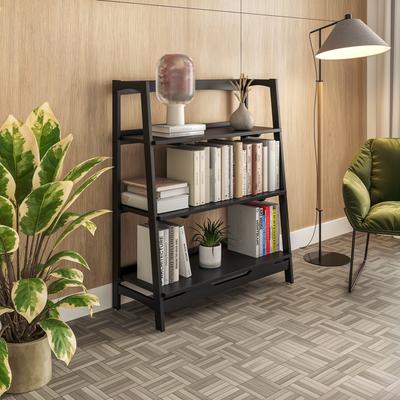
Similar search terms for Camaflexi-Mid-Century-Desk
Top-Angebote
Products related to Camaflexi-Mid-Century-Desk:
-
Camaflexi Mid Century Three Drawer Dresser - Scandinavian Oak FinishIn need of storage space, but don't want to clutter your room? This Mid-Century Modern Three Drawer Dresser is for you! Featuring a compact build and three generous size drawers, it is perfect for your jeans and accessories!414,99 $*Shipping: 0,00 $Secure redirect to the provider
-
Camaflexi Mid-Century Castahno Solid Wood Six Drawer DresserIntroduce a chic sophistication to your modern space with our Mid-Century Six Drawer Dresser. With sleek lines and geometric forms, this dresser combines form and function seamlessly.638,25 $*Shipping: 0,00 $Secure redirect to the provider
-
No Mid-Century DeskA perfectly-sized desk, a detachable 360° adjustable overhead lamp, and all the tech accessibility you'd want (a power outlet, as well as USB and USB-C charging ports) packed into one product you'll love. This is the modern desk you've always wanted.254,49 $*Shipping: 0,00 $Secure redirect to the provider
-
HCD Modern Color Piano Desk Mid Century DeskOffice desk made of white color melamine board and walnut veneer MDF with polished stainless-steel base. This funky desk features brightly colored partitions with two shallow drawers. This product is not affiliated to any designer and is a replica...1402,49 $*Shipping: 0,00 $Secure redirect to the provider




-
What did the nobility eat in the 19th century?
In the 19th century, the nobility had access to a wide variety of foods, including meats such as beef, lamb, and game, as well as seafood. They also enjoyed a range of fruits and vegetables, often sourced from their own estates or imported from abroad. The nobility would often have elaborate meals with multiple courses, including soups, roasts, and desserts, and they would also have access to fine wines and spirits. Overall, the diet of the nobility in the 19th century was characterized by its variety and luxury. **
-
What did the nobility look like in the 13th century?
In the 13th century, the nobility was typically characterized by their wealth, power, and privilege. They often wore elaborate and expensive clothing made of luxurious fabrics such as silk, velvet, and fur, adorned with jewels and intricate embroidery. Men often wore tunics, cloaks, and hose, while women wore long, flowing gowns with tight bodices and elaborate headdresses. The nobility lived in grand castles or manor houses, surrounded by vast estates worked by peasants and serfs. They held significant political and social influence, often serving as advisors to the monarch and holding positions of power within the feudal system. **
-
How were black people perceived as nobility in 19th century England?
In 19th century England, black people were not commonly perceived as nobility due to the prevailing racist attitudes and beliefs of the time. The British society was largely hierarchical and structured around white privilege, making it difficult for black individuals to attain positions of nobility or high social status. Despite this, there were a few exceptions of black individuals who were able to achieve some level of recognition and respect within the upper echelons of society, but they were often still subject to discrimination and prejudice. Overall, black people faced significant barriers to being perceived as nobility in 19th century England. **
-
Can you please create a list of European states and their colonies in the mid-18th century?
In the mid-18th century, several European states had established colonies around the world. Some of the major European states and their colonies included: 1. Great Britain: Colonies in North America (including the Thirteen Colonies), the Caribbean (such as Jamaica and Barbados), and parts of India. 2. France: Colonies in North America (including Canada and Louisiana), the Caribbean (such as Haiti and Martinique), and parts of India. 3. Spain: Colonies in the Americas (such as Mexico, Peru, and Cuba), the Caribbean (such as Puerto Rico), and the Philippines. 4. Portugal: Colonies in Brazil, parts of Africa (such as Angola and Mozambique), and parts of India. 5. Netherlands: Colonies in the East Indies (such as Indonesia), parts of the Caribbean (such as Suriname), and parts of Africa (such as South Africa). These are just a few examples of European states and their colonies in the mid-18 **


Can you please create a list of European countries and their colonies in the mid-18th century?
In the mid-18th century, some European countries and their colonies included: 1. Great Britain: Colonies in North America (including the Thirteen Colonies), the Caribbean (such as Jamaica and Barbados), and parts of India. 2. France: Colonies in North America (such as New France), the Caribbean (including Haiti), parts of India, and territories in Africa. 3. Spain: Colonies in the Americas (including present-day Mexico, Peru, and parts of the Caribbean), the Philippines, and territories in Africa. 4. Portugal: Colonies in Brazil, parts of Africa (such as Angola and Mozambique), and territories in Asia (including Macau and Goa). 5. Netherlands: Colonies in the East Indies (Indonesia), parts of the Caribbean (such as Suriname), and territories in Africa. **
Is there a difference between nobility and elegance?
Yes, there is a difference between nobility and elegance. Nobility typically refers to a person's social status or rank, often associated with titles and hereditary privilege. On the other hand, elegance is more about grace, refinement, and sophistication in one's appearance, behavior, or style. While nobility can be a factor in someone being perceived as elegant, elegance can be achieved by anyone regardless of their social status. **
Top-Angebote
Products related to Camaflexi-Mid-Century-Desk:
-
Camaflexi Mid Century Solid Wood Open Shelving UnitSpruce up your living room, bedroom or any room with this Mid-Century Modern Open Shelving Unit. The clean mid-century feel and genuine wood shelves add just that touch of class to give your home a lift.161,99 $*Shipping: 0,00 $Secure redirect to the provider
-
Camaflexi Mid Century Three Drawer Dresser - Scandinavian Oak FinishIn need of storage space, but don't want to clutter your room? This Mid-Century Modern Three Drawer Dresser is for you! Featuring a compact build and three generous size drawers, it is perfect for your jeans and accessories!414,99 $*Shipping: 0,00 $Secure redirect to the provider
-
Camaflexi Mid-Century Castahno Solid Wood Six Drawer DresserIntroduce a chic sophistication to your modern space with our Mid-Century Six Drawer Dresser. With sleek lines and geometric forms, this dresser combines form and function seamlessly.638,25 $*Shipping: 0,00 $Secure redirect to the provider
-
How was warfare conducted in the mid-20th century?
Warfare in the mid-20th century was characterized by the use of conventional military tactics and strategies, as well as the widespread use of new technologies such as tanks, aircraft, and naval vessels. The two World Wars during this time period saw the large-scale mobilization of troops, the use of trench warfare, and the development of new weapons such as machine guns, artillery, and chemical weapons. Additionally, the mid-20th century saw the introduction of nuclear weapons, which significantly altered the nature of warfare and international relations. Overall, warfare in the mid-20th century was marked by a combination of traditional and modern tactics and technologies. **
-
What is the name of an oil painting from the mid-late 19th century?
One famous oil painting from the mid-late 19th century is "Starry Night" by Vincent van Gogh. This iconic painting, created in 1889, is known for its swirling, dreamlike depiction of the night sky and the village below. It is one of van Gogh's most well-known works and is housed in the Museum of Modern Art in New York City. **
-
What did the nobility eat in the 19th century?
In the 19th century, the nobility had access to a wide variety of foods, including meats such as beef, lamb, and game, as well as seafood. They also enjoyed a range of fruits and vegetables, often sourced from their own estates or imported from abroad. The nobility would often have elaborate meals with multiple courses, including soups, roasts, and desserts, and they would also have access to fine wines and spirits. Overall, the diet of the nobility in the 19th century was characterized by its variety and luxury. **
-
What did the nobility look like in the 13th century?
In the 13th century, the nobility was typically characterized by their wealth, power, and privilege. They often wore elaborate and expensive clothing made of luxurious fabrics such as silk, velvet, and fur, adorned with jewels and intricate embroidery. Men often wore tunics, cloaks, and hose, while women wore long, flowing gowns with tight bodices and elaborate headdresses. The nobility lived in grand castles or manor houses, surrounded by vast estates worked by peasants and serfs. They held significant political and social influence, often serving as advisors to the monarch and holding positions of power within the feudal system. **
Similar search terms for Camaflexi-Mid-Century-Desk
-
No Mid-Century DeskA perfectly-sized desk, a detachable 360° adjustable overhead lamp, and all the tech accessibility you'd want (a power outlet, as well as USB and USB-C charging ports) packed into one product you'll love. This is the modern desk you've always wanted.254,49 $*Shipping: 0,00 $Secure redirect to the provider
-
HCD Modern Color Piano Desk Mid Century DeskOffice desk made of white color melamine board and walnut veneer MDF with polished stainless-steel base. This funky desk features brightly colored partitions with two shallow drawers. This product is not affiliated to any designer and is a replica...1402,49 $*Shipping: 0,00 $Secure redirect to the provider
-
How were black people perceived as nobility in 19th century England?
In 19th century England, black people were not commonly perceived as nobility due to the prevailing racist attitudes and beliefs of the time. The British society was largely hierarchical and structured around white privilege, making it difficult for black individuals to attain positions of nobility or high social status. Despite this, there were a few exceptions of black individuals who were able to achieve some level of recognition and respect within the upper echelons of society, but they were often still subject to discrimination and prejudice. Overall, black people faced significant barriers to being perceived as nobility in 19th century England. **
-
Can you please create a list of European states and their colonies in the mid-18th century?
In the mid-18th century, several European states had established colonies around the world. Some of the major European states and their colonies included: 1. Great Britain: Colonies in North America (including the Thirteen Colonies), the Caribbean (such as Jamaica and Barbados), and parts of India. 2. France: Colonies in North America (including Canada and Louisiana), the Caribbean (such as Haiti and Martinique), and parts of India. 3. Spain: Colonies in the Americas (such as Mexico, Peru, and Cuba), the Caribbean (such as Puerto Rico), and the Philippines. 4. Portugal: Colonies in Brazil, parts of Africa (such as Angola and Mozambique), and parts of India. 5. Netherlands: Colonies in the East Indies (such as Indonesia), parts of the Caribbean (such as Suriname), and parts of Africa (such as South Africa). These are just a few examples of European states and their colonies in the mid-18 **
-
Can you please create a list of European countries and their colonies in the mid-18th century?
In the mid-18th century, some European countries and their colonies included: 1. Great Britain: Colonies in North America (including the Thirteen Colonies), the Caribbean (such as Jamaica and Barbados), and parts of India. 2. France: Colonies in North America (such as New France), the Caribbean (including Haiti), parts of India, and territories in Africa. 3. Spain: Colonies in the Americas (including present-day Mexico, Peru, and parts of the Caribbean), the Philippines, and territories in Africa. 4. Portugal: Colonies in Brazil, parts of Africa (such as Angola and Mozambique), and territories in Asia (including Macau and Goa). 5. Netherlands: Colonies in the East Indies (Indonesia), parts of the Caribbean (such as Suriname), and territories in Africa. **
-
Is there a difference between nobility and elegance?
Yes, there is a difference between nobility and elegance. Nobility typically refers to a person's social status or rank, often associated with titles and hereditary privilege. On the other hand, elegance is more about grace, refinement, and sophistication in one's appearance, behavior, or style. While nobility can be a factor in someone being perceived as elegant, elegance can be achieved by anyone regardless of their social status. **
* All prices are inclusive of VAT and, if applicable, plus shipping costs. The offer information is based on the details provided by the respective shop and is updated through automated processes. Real-time updates do not occur, so deviations can occur in individual cases. ** Note: Parts of this content were created by AI.