Buy edelleute.eu ?
We are moving the project
edelleute.eu .
Are you interested in purchasing the domain
edelleute.eu ?
domain@kv-gmbh.de · 0541-91531010
Buy edelleute.eu ?
Why is the clownfish called a clownfish?
The clownfish is called a clownfish because of its bright and vibrant colors, which resemble the colorful and playful appearance of a clown. Its bold stripes and patterns make it look like a clown, hence the name "clownfish." **
What is the difference between a false clownfish and a true clownfish?
The main difference between a false clownfish and a true clownfish lies in their scientific classification. False clownfish belong to the genus Amphiprion, while true clownfish are classified under the genus Premnas. Additionally, false clownfish tend to have a more elongated body shape compared to the rounder body shape of true clownfish. In terms of behavior, false clownfish are generally more aggressive and territorial compared to the more peaceful nature of true clownfish. **

Similar search terms for Clownfish
Top-Angebote
Products related to Clownfish:
-
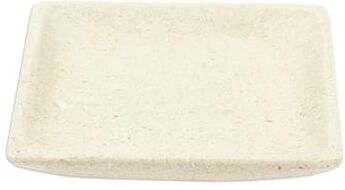
Novica Handmade Ecru Sophistication Marble PlateMexico's Sierra Family works with marble, a sturdy and precious material, to create sophisticated accents for your table. This time, they present a square plate in a refined ecru tone, polished for an elegant style and perfect for a minimalist touch.75,98 $*Shipping: 0,00 $Secure redirect to the provider
-
Touch of Class Floral Sophistication Wall Art Ivory , IvoryBeautiful blossoms unfurl a new level of Floral Sophistication within your space. With a dimensional layered design, the hand-finished metal wall sculpture features textured light ivory flowers with lovely blush centers, golden openwork blooms,...229,00 $*Shipping: 32,06 $Secure redirect to the provider
-
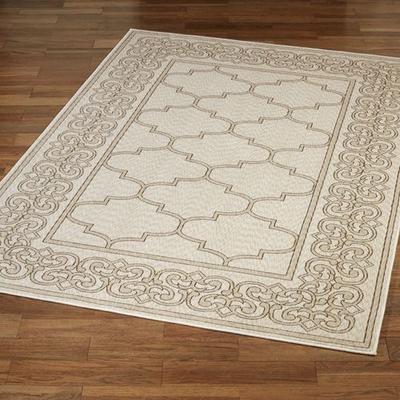
Touch of Class "Nobility Rectangle Rug Beige, 3'10"" x 5'5"", Beige"Quatrefoil and medallion designs reign supreme on the Nobility Rug. This power-loomed, polyester area rug, .30 thick, has ornate motifs that decorate with elegant splendor. Colors include warm beige, deep brown, and ivory. We recommend professional...279,00 $*Shipping: 39,06 $Secure redirect to the provider

-
What is the difference between a real clownfish and a fake clownfish?
A real clownfish is a type of fish that belongs to the family Pomacentridae and is commonly found in coral reefs in the Pacific and Indian Oceans. They have a distinct orange color with white stripes and are known for their symbiotic relationship with sea anemones. On the other hand, a fake clownfish is a toy or replica of a clownfish that is not a living organism. These fake clownfish are often used as decorations or toys and do not have the same biological characteristics or behaviors as real clownfish. **
-
How do you spell clownfish?
Clownfish is spelled as C-L-O-W-N-F-I-S-H. **
-
Is a clownfish a mammal?
No, a clownfish is not a mammal. Clownfish are actually a type of fish, specifically a member of the Pomacentridae family. Mammals are a separate class of animals that give birth to live young and nurse their offspring with milk. Clownfish do not possess these characteristics, so they are not considered mammals. **
-
Do clownfish attack each other?
Yes, clownfish can be territorial and aggressive towards each other, especially when establishing dominance or defending their territory. In the wild, clownfish may engage in aggressive behaviors such as chasing, biting, or even killing each other. It is important to provide enough space and hiding spots in the aquarium to reduce aggression among clownfish. **


How do clownfish defend themselves?
Clownfish defend themselves in a few different ways. They have a mucus layer on their skin that protects them from the stinging cells of anemones, which are their natural predators. They also have a symbiotic relationship with anemones, where they are protected by the anemone's stinging tentacles. Additionally, clownfish are known to aggressively defend their territory and will fiercely protect their eggs from potential threats. Overall, clownfish have developed a variety of strategies to defend themselves from predators in their environment. **
What does a clownfish look like?
A clownfish is a small, brightly colored fish with orange bodies and white stripes. They have a unique shape with a rounded body and a large, fan-shaped tail fin. Clownfish also have distinctive black markings around their eyes and on their fins. They are known for their symbiotic relationship with sea anemones, which provide them with protection from predators. **
Top-Angebote
Products related to Clownfish:
-
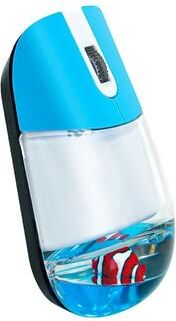
Uplift Essentials Creative Floating Aquarium Dual Mode Wireless Mouse clownfishDive into a world of whimsical design and fluid performance with a peripheral that turns every scroll into a serene underwater escape. This aqua liquid mouse is the ultimate solution for those who embrace the Frutiger Aero aesthetic, blending modern...77,97 $*Shipping: 0,00 $Secure redirect to the provider
-
RLF Home Nobility Glory Valance"Nobility Glory Valance. Decorator's quality fabric. Fully lined with ivory poly/cotton goods. 3"" rod pocket fits a window up to 48""W. Use a 2-1/2"" contintal rod, regular 3/4"" rod, tension rod or decorative pole up to 1-3/8"" diameter."76,99 $*Shipping: 0,00 $Secure redirect to the provider
-
Novica Handmade Ecru Sophistication Marble PlateMexico's Sierra Family works with marble, a sturdy and precious material, to create sophisticated accents for your table. This time, they present a square plate in a refined ecru tone, polished for an elegant style and perfect for a minimalist touch.75,98 $*Shipping: 0,00 $Secure redirect to the provider
-
Touch of Class Floral Sophistication Wall Art Ivory , IvoryBeautiful blossoms unfurl a new level of Floral Sophistication within your space. With a dimensional layered design, the hand-finished metal wall sculpture features textured light ivory flowers with lovely blush centers, golden openwork blooms,...229,00 $*Shipping: 32,06 $Secure redirect to the provider
-
Why is the clownfish called a clownfish?
The clownfish is called a clownfish because of its bright and vibrant colors, which resemble the colorful and playful appearance of a clown. Its bold stripes and patterns make it look like a clown, hence the name "clownfish." **
-
What is the difference between a false clownfish and a true clownfish?
The main difference between a false clownfish and a true clownfish lies in their scientific classification. False clownfish belong to the genus Amphiprion, while true clownfish are classified under the genus Premnas. Additionally, false clownfish tend to have a more elongated body shape compared to the rounder body shape of true clownfish. In terms of behavior, false clownfish are generally more aggressive and territorial compared to the more peaceful nature of true clownfish. **
-
What is the difference between a real clownfish and a fake clownfish?
A real clownfish is a type of fish that belongs to the family Pomacentridae and is commonly found in coral reefs in the Pacific and Indian Oceans. They have a distinct orange color with white stripes and are known for their symbiotic relationship with sea anemones. On the other hand, a fake clownfish is a toy or replica of a clownfish that is not a living organism. These fake clownfish are often used as decorations or toys and do not have the same biological characteristics or behaviors as real clownfish. **
-
How do you spell clownfish?
Clownfish is spelled as C-L-O-W-N-F-I-S-H. **
Similar search terms for Clownfish
-
Touch of Class "Nobility Rectangle Rug Beige, 3'10"" x 5'5"", Beige"Quatrefoil and medallion designs reign supreme on the Nobility Rug. This power-loomed, polyester area rug, .30 thick, has ornate motifs that decorate with elegant splendor. Colors include warm beige, deep brown, and ivory. We recommend professional...279,00 $*Shipping: 39,06 $Secure redirect to the provider
-
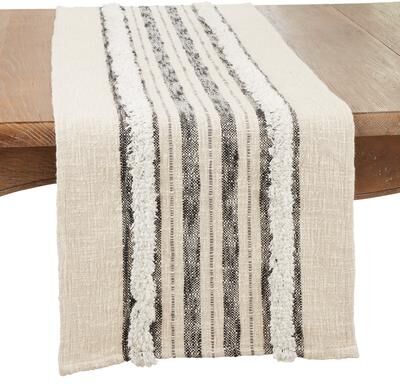
Saro Lifestyle "Modern Sophistication Woven Textured Stripe Table Runner - 16""x72"""Add a touch of sophistication to your table with this Woven Striped Table Runner. The intricately woven design showcases timeless stripes, creating a classic and elegant look.36,99 $*Shipping: 0,00 $Secure redirect to the provider
-
Inspire Essentials Elegance Gold Stainless Steel Women Watch Luxury Quartz Bracelet eTimeless style speaks before you do. This gold stainless steel women watch blends refined elegance with modern simplicity, making it the perfect statement for both business and everyday wear. Designed as a sophisticated luxury women quartz watch, it...81,50 $*Shipping: 0,00 $Secure redirect to the provider
-
Is a clownfish a mammal?
No, a clownfish is not a mammal. Clownfish are actually a type of fish, specifically a member of the Pomacentridae family. Mammals are a separate class of animals that give birth to live young and nurse their offspring with milk. Clownfish do not possess these characteristics, so they are not considered mammals. **
-
Do clownfish attack each other?
Yes, clownfish can be territorial and aggressive towards each other, especially when establishing dominance or defending their territory. In the wild, clownfish may engage in aggressive behaviors such as chasing, biting, or even killing each other. It is important to provide enough space and hiding spots in the aquarium to reduce aggression among clownfish. **
-
How do clownfish defend themselves?
Clownfish defend themselves in a few different ways. They have a mucus layer on their skin that protects them from the stinging cells of anemones, which are their natural predators. They also have a symbiotic relationship with anemones, where they are protected by the anemone's stinging tentacles. Additionally, clownfish are known to aggressively defend their territory and will fiercely protect their eggs from potential threats. Overall, clownfish have developed a variety of strategies to defend themselves from predators in their environment. **
-
What does a clownfish look like?
A clownfish is a small, brightly colored fish with orange bodies and white stripes. They have a unique shape with a rounded body and a large, fan-shaped tail fin. Clownfish also have distinctive black markings around their eyes and on their fins. They are known for their symbiotic relationship with sea anemones, which provide them with protection from predators. **
* All prices are inclusive of VAT and, if applicable, plus shipping costs. The offer information is based on the details provided by the respective shop and is updated through automated processes. Real-time updates do not occur, so deviations can occur in individual cases. ** Note: Parts of this content were created by AI.