Buy edelleute.eu ?
We are moving the project
edelleute.eu .
Are you interested in purchasing the domain
edelleute.eu ?
domain@kv-gmbh.de · 0541-91531010
Buy edelleute.eu ?
What does the collectivization of agriculture mean?
The collectivization of agriculture refers to the process of bringing privately owned farms and land under collective ownership and control. This often involves the consolidation of small individual farms into larger, state-controlled collective farms. The goal of collectivization is typically to increase agricultural productivity and efficiency, as well as to facilitate the implementation of government policies and planning. However, collectivization has been controversial and has often led to resistance and hardship for farmers. **
How did the collectivization and industrialization take place?
Collectivization in the Soviet Union was the process of consolidating individual land and labor into collective farms, which were owned and operated by the state. This was done to increase agricultural productivity and to facilitate the transition to a socialist economy. Industrialization, on the other hand, involved the rapid expansion of heavy industry and the construction of factories and infrastructure to modernize the economy. Both processes were driven by the Soviet government under Stalin's leadership, and they involved significant coercion and force, including the forced collectivization of peasants and the use of forced labor in industrial projects. These policies had far-reaching and often devastating effects on the Soviet population, leading to widespread famine, displacement, and loss of life. **


Similar search terms for Collectivization
Top-Angebote
Products related to Collectivization:
-
Touch of Class Floral Sophistication Wall Art Ivory , IvoryBeautiful blossoms unfurl a new level of Floral Sophistication within your space. With a dimensional layered design, the hand-finished metal wall sculpture features textured light ivory flowers with lovely blush centers, golden openwork blooms,...229,00 $*Shipping: 32,06 $Secure redirect to the provider
-
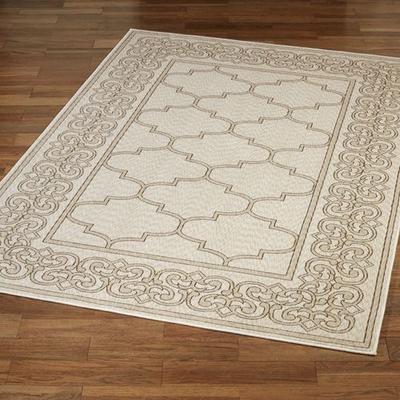
Touch of Class "Nobility Rectangle Rug Beige, 3'10"" x 5'5"", Beige"Quatrefoil and medallion designs reign supreme on the Nobility Rug. This power-loomed, polyester area rug, .30 thick, has ornate motifs that decorate with elegant splendor. Colors include warm beige, deep brown, and ivory. We recommend professional...279,00 $*Shipping: 39,06 $Secure redirect to the provider
-
Inspire Select Radiant Elegance Diamond Accent Women's Quartz Luxury Watch redTurn every moment into a statement of grace and confidence with this stunning diamond womens watch designed to capture attention effortlessly. Crafted for women who appreciate refined style and everyday versatility, this elegant timepiece blends...99,98 $*Shipping: 0,00 $Secure redirect to the provider


-
Is there a difference between nobility and elegance?
Yes, there is a difference between nobility and elegance. Nobility typically refers to a person's social status or rank, often associated with titles and hereditary privilege. On the other hand, elegance is more about grace, refinement, and sophistication in one's appearance, behavior, or style. While nobility can be a factor in someone being perceived as elegant, elegance can be achieved by anyone regardless of their social status. **
-
How did Stalin plan to achieve his economic goals and what is meant by the collectivization measures?
Stalin planned to achieve his economic goals through a series of Five-Year Plans, which aimed to rapidly industrialize the Soviet Union and increase agricultural production. Collectivization measures were a key part of this plan, involving the consolidation of small individual farms into large collective farms owned and operated by the state. This was intended to increase efficiency and productivity in agriculture, as well as provide a steady supply of food for the growing urban population. However, collectivization also led to widespread resistance and hardship for many peasants, as they were forced to give up their land and livestock to the state. **
-
What makes elegance?
Elegance is a combination of simplicity, grace, and refinement. It is about being stylish and sophisticated without being flashy or overdone. Elegance can be seen in the way someone carries themselves, in their mannerisms, and in their choice of words and actions. It is a timeless quality that exudes class and charm. **
-
What is an aristocracy?
An aristocracy is a form of government or social system in which a small, privileged elite holds power and influence. This elite class is typically made up of wealthy and noble families who inherit their status and often have hereditary titles and land ownership. In an aristocracy, political and social power is concentrated in the hands of this small group, and they often have significant control over the resources and decision-making processes of the society. Historically, aristocracies have been common in many societies, particularly in feudal and monarchic systems. **


What are the advantages of aristocracy?
Aristocracy can provide stability and continuity in governance, as power is typically passed down through generations within a select group of individuals. This can lead to long-term planning and decision-making that is focused on the well-being of the society as a whole. Additionally, aristocracy often brings with it a sense of duty and responsibility towards the people, as the ruling class is expected to uphold certain standards of behavior and leadership. Lastly, aristocracy can also promote expertise and specialization in governance, as those in power may have been trained from a young age in matters of statecraft and leadership. **
Is the Roman Republic an aristocracy?
The Roman Republic can be considered an aristocracy to some extent. While it had elements of democracy, such as the election of officials and the existence of a Senate, the power was largely concentrated in the hands of the aristocratic class. The patrician families held significant influence and control over the political and social life of the Republic, and their wealth and status played a crucial role in determining their political power. Additionally, the Roman Republic had a system of checks and balances that allowed the aristocracy to maintain their privileged position. Therefore, while it had some democratic features, the Roman Republic can be seen as an aristocracy due to the dominance of the aristocratic class in its governance. **
Top-Angebote
Products related to Collectivization:
-
RLF Home Nobility Glory Valance"Nobility Glory Valance. Decorator's quality fabric. Fully lined with ivory poly/cotton goods. 3"" rod pocket fits a window up to 48""W. Use a 2-1/2"" contintal rod, regular 3/4"" rod, tension rod or decorative pole up to 1-3/8"" diameter."76,99 $*Shipping: 0,00 $Secure redirect to the provider
-
Novica Handmade Ecru Sophistication Marble PlateMexico's Sierra Family works with marble, a sturdy and precious material, to create sophisticated accents for your table. This time, they present a square plate in a refined ecru tone, polished for an elegant style and perfect for a minimalist touch.75,98 $*Shipping: 0,00 $Secure redirect to the provider
-
Touch of Class Floral Sophistication Wall Art Ivory , IvoryBeautiful blossoms unfurl a new level of Floral Sophistication within your space. With a dimensional layered design, the hand-finished metal wall sculpture features textured light ivory flowers with lovely blush centers, golden openwork blooms,...229,00 $*Shipping: 32,06 $Secure redirect to the provider
-
What does the collectivization of agriculture mean?
The collectivization of agriculture refers to the process of bringing privately owned farms and land under collective ownership and control. This often involves the consolidation of small individual farms into larger, state-controlled collective farms. The goal of collectivization is typically to increase agricultural productivity and efficiency, as well as to facilitate the implementation of government policies and planning. However, collectivization has been controversial and has often led to resistance and hardship for farmers. **
-
How did the collectivization and industrialization take place?
Collectivization in the Soviet Union was the process of consolidating individual land and labor into collective farms, which were owned and operated by the state. This was done to increase agricultural productivity and to facilitate the transition to a socialist economy. Industrialization, on the other hand, involved the rapid expansion of heavy industry and the construction of factories and infrastructure to modernize the economy. Both processes were driven by the Soviet government under Stalin's leadership, and they involved significant coercion and force, including the forced collectivization of peasants and the use of forced labor in industrial projects. These policies had far-reaching and often devastating effects on the Soviet population, leading to widespread famine, displacement, and loss of life. **
-
Is there a difference between nobility and elegance?
Yes, there is a difference between nobility and elegance. Nobility typically refers to a person's social status or rank, often associated with titles and hereditary privilege. On the other hand, elegance is more about grace, refinement, and sophistication in one's appearance, behavior, or style. While nobility can be a factor in someone being perceived as elegant, elegance can be achieved by anyone regardless of their social status. **
-
How did Stalin plan to achieve his economic goals and what is meant by the collectivization measures?
Stalin planned to achieve his economic goals through a series of Five-Year Plans, which aimed to rapidly industrialize the Soviet Union and increase agricultural production. Collectivization measures were a key part of this plan, involving the consolidation of small individual farms into large collective farms owned and operated by the state. This was intended to increase efficiency and productivity in agriculture, as well as provide a steady supply of food for the growing urban population. However, collectivization also led to widespread resistance and hardship for many peasants, as they were forced to give up their land and livestock to the state. **
Similar search terms for Collectivization
-
Touch of Class "Nobility Rectangle Rug Beige, 3'10"" x 5'5"", Beige"Quatrefoil and medallion designs reign supreme on the Nobility Rug. This power-loomed, polyester area rug, .30 thick, has ornate motifs that decorate with elegant splendor. Colors include warm beige, deep brown, and ivory. We recommend professional...279,00 $*Shipping: 39,06 $Secure redirect to the provider
-
Inspire Select Radiant Elegance Diamond Accent Women's Quartz Luxury Watch redTurn every moment into a statement of grace and confidence with this stunning diamond womens watch designed to capture attention effortlessly. Crafted for women who appreciate refined style and everyday versatility, this elegant timepiece blends...99,98 $*Shipping: 0,00 $Secure redirect to the provider
-
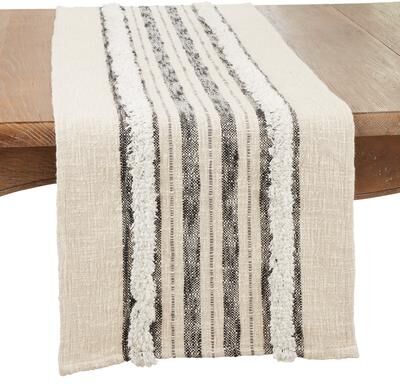
Saro Lifestyle "Modern Sophistication Woven Textured Stripe Table Runner - 16""x72"""Add a touch of sophistication to your table with this Woven Striped Table Runner. The intricately woven design showcases timeless stripes, creating a classic and elegant look.36,99 $*Shipping: 0,00 $Secure redirect to the provider
-
Inspire Essentials Elegance Gold Stainless Steel Women Watch Luxury Quartz Bracelet cTimeless style speaks before you do. This gold stainless steel women watch blends refined elegance with modern simplicity, making it the perfect statement for both business and everyday wear. Designed as a sophisticated luxury women quartz watch, it...81,50 $*Shipping: 0,00 $Secure redirect to the provider
-
What makes elegance?
Elegance is a combination of simplicity, grace, and refinement. It is about being stylish and sophisticated without being flashy or overdone. Elegance can be seen in the way someone carries themselves, in their mannerisms, and in their choice of words and actions. It is a timeless quality that exudes class and charm. **
-
What is an aristocracy?
An aristocracy is a form of government or social system in which a small, privileged elite holds power and influence. This elite class is typically made up of wealthy and noble families who inherit their status and often have hereditary titles and land ownership. In an aristocracy, political and social power is concentrated in the hands of this small group, and they often have significant control over the resources and decision-making processes of the society. Historically, aristocracies have been common in many societies, particularly in feudal and monarchic systems. **
-
What are the advantages of aristocracy?
Aristocracy can provide stability and continuity in governance, as power is typically passed down through generations within a select group of individuals. This can lead to long-term planning and decision-making that is focused on the well-being of the society as a whole. Additionally, aristocracy often brings with it a sense of duty and responsibility towards the people, as the ruling class is expected to uphold certain standards of behavior and leadership. Lastly, aristocracy can also promote expertise and specialization in governance, as those in power may have been trained from a young age in matters of statecraft and leadership. **
-
Is the Roman Republic an aristocracy?
The Roman Republic can be considered an aristocracy to some extent. While it had elements of democracy, such as the election of officials and the existence of a Senate, the power was largely concentrated in the hands of the aristocratic class. The patrician families held significant influence and control over the political and social life of the Republic, and their wealth and status played a crucial role in determining their political power. Additionally, the Roman Republic had a system of checks and balances that allowed the aristocracy to maintain their privileged position. Therefore, while it had some democratic features, the Roman Republic can be seen as an aristocracy due to the dominance of the aristocratic class in its governance. **
* All prices are inclusive of VAT and, if applicable, plus shipping costs. The offer information is based on the details provided by the respective shop and is updated through automated processes. Real-time updates do not occur, so deviations can occur in individual cases. ** Note: Parts of this content were created by AI.