Buy edelleute.eu ?
We are moving the project
edelleute.eu .
Are you interested in purchasing the domain
edelleute.eu ?
domain@kv-gmbh.de · 0541-91531010
Buy edelleute.eu ?
What is the motive in a fugue?
The motive in a fugue is a short musical idea or theme that is introduced at the beginning of the piece and serves as the foundation for the entire composition. It is typically a distinctive and recognizable melody that is repeated and developed throughout the fugue. The motive is subject to various transformations such as inversion, retrograde, augmentation, and diminution as it is passed between different voices in the fugue. The motive helps to unify the composition and create a sense of coherence and structure within the complex contrapuntal texture of a fugue. **
What is the structure of a fugue?
A fugue typically consists of three main sections: the exposition, the middle section (episodes), and the final section (recapitulation). The exposition introduces the main theme (subject) in one voice, followed by the same theme in a different voice (answer). The middle section features episodes where the theme is developed and explored in various keys and variations. The final section brings back the theme in all voices, often with additional counterpoint and variations, leading to a climactic conclusion. **

Similar search terms for Fugue
Top-Angebote
Products related to Fugue:
-
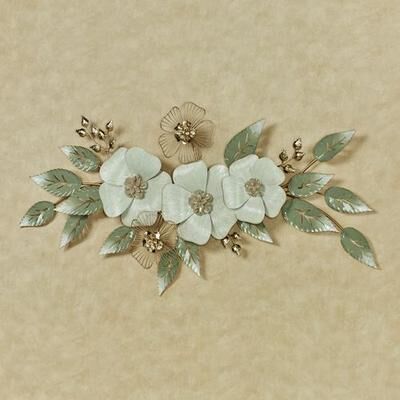
Touch of Class Floral Sophistication Wall Art Ivory , IvoryBeautiful blossoms unfurl a new level of Floral Sophistication within your space. With a dimensional layered design, the hand-finished metal wall sculpture features textured light ivory flowers with lovely blush centers, golden openwork blooms,...229,00 $*Shipping: 32,06 $Secure redirect to the provider
-
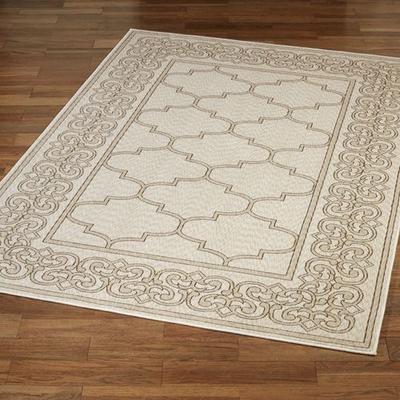
Touch of Class "Nobility Rectangle Rug Beige, 3'10"" x 5'5"", Beige"Quatrefoil and medallion designs reign supreme on the Nobility Rug. This power-loomed, polyester area rug, .30 thick, has ornate motifs that decorate with elegant splendor. Colors include warm beige, deep brown, and ivory. We recommend professional...279,00 $*Shipping: 39,06 $Secure redirect to the provider
-
Saro Lifestyle "Modern Sophistication Woven Textured Stripe Table Runner - 16""x72"""Add a touch of sophistication to your table with this Woven Striped Table Runner. The intricately woven design showcases timeless stripes, creating a classic and elegant look.36,99 $*Shipping: 0,00 $Secure redirect to the provider


-
How can I compose a fugue myself?
To compose a fugue, start by choosing a subject or theme that will be the main melody of the piece. Develop this subject by creating countersubjects and episodes that will complement and contrast with the main theme. Pay attention to the rules of fugue writing, such as maintaining strict counterpoint and following the principles of voice leading. Finally, structure your fugue by organizing the entrances of the subject and developing the piece through different keys and variations. Practice and study fugues by great composers to improve your skills in composing your own fugue. **
-
What is the motif in a fugue?
The motif in a fugue is a short musical idea or theme that is introduced at the beginning of the piece. This motif serves as the foundation for the entire composition, as it is developed and transformed throughout the fugue. It is typically heard in different voices and keys, creating a sense of unity and coherence in the music. The motif is a key element in the structure and development of a fugue, providing a framework for the intricate counterpoint and interplay of voices that characterize this musical form. **
-
How do you analyze a fugue in music?
Analyzing a fugue in music involves identifying the main theme, or subject, and its variations throughout the piece. It also involves recognizing the different voices or parts that enter with the subject in a contrapuntal manner. Paying attention to the development and interplay of these voices, as well as the use of different techniques such as inversion, retrograde, and augmentation, is crucial in understanding the structure and complexity of a fugue. Additionally, analyzing the overall form, key changes, and relationships between the different sections of the fugue can provide insight into the composer's intentions and creative choices. **
-
How does one analyze a fugue in music?
Analyzing a fugue in music involves identifying the main theme, or subject, and its variations throughout the piece. One must also recognize the different voices or parts that enter with the subject in a contrapuntal manner. It is important to pay attention to the development of the subject, as well as any episodes or sections that provide contrast to the main theme. Finally, understanding the overall structure and form of the fugue, such as the exposition, episodes, and final statement of the subject, is crucial in analyzing this complex musical form. **


How do I analyze a fugue in music?
To analyze a fugue in music, start by identifying the subject, countersubject, and episodes within the piece. Pay attention to the entrances of the subject in different voices and how they interact with each other. Look for instances of stretto, where the subject is imitated in a close overlapping manner. Consider the tonal structure and how the piece modulates between different keys. Finally, examine the overall form and structure of the fugue, including the exposition, development, and recapitulation. **
How can I compose a fugue by myself?
To compose a fugue by yourself, start by choosing a subject or theme that will be the main melody of the fugue. Then, create a countersubject that will complement the subject. Next, determine the order in which the subject and countersubject will appear in the different voices of the fugue. After that, write the exposition, where the subject and countersubject are introduced in each voice. Finally, develop the fugue by alternating between episodes and restatements of the subject and countersubject, while following the rules of counterpoint. It's important to study and analyze fugues by other composers to understand the structure and techniques used in fugue composition. **
Top-Angebote
Products related to Fugue:
-
RLF Home Nobility Glory Valance"Nobility Glory Valance. Decorator's quality fabric. Fully lined with ivory poly/cotton goods. 3"" rod pocket fits a window up to 48""W. Use a 2-1/2"" contintal rod, regular 3/4"" rod, tension rod or decorative pole up to 1-3/8"" diameter."76,99 $*Shipping: 0,00 $Secure redirect to the provider
-
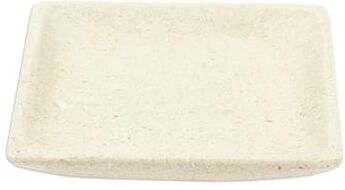
Novica Handmade Ecru Sophistication Marble PlateMexico's Sierra Family works with marble, a sturdy and precious material, to create sophisticated accents for your table. This time, they present a square plate in a refined ecru tone, polished for an elegant style and perfect for a minimalist touch.75,98 $*Shipping: 0,00 $Secure redirect to the provider
-
Touch of Class Floral Sophistication Wall Art Ivory , IvoryBeautiful blossoms unfurl a new level of Floral Sophistication within your space. With a dimensional layered design, the hand-finished metal wall sculpture features textured light ivory flowers with lovely blush centers, golden openwork blooms,...229,00 $*Shipping: 32,06 $Secure redirect to the provider
-
What is the motive in a fugue?
The motive in a fugue is a short musical idea or theme that is introduced at the beginning of the piece and serves as the foundation for the entire composition. It is typically a distinctive and recognizable melody that is repeated and developed throughout the fugue. The motive is subject to various transformations such as inversion, retrograde, augmentation, and diminution as it is passed between different voices in the fugue. The motive helps to unify the composition and create a sense of coherence and structure within the complex contrapuntal texture of a fugue. **
-
What is the structure of a fugue?
A fugue typically consists of three main sections: the exposition, the middle section (episodes), and the final section (recapitulation). The exposition introduces the main theme (subject) in one voice, followed by the same theme in a different voice (answer). The middle section features episodes where the theme is developed and explored in various keys and variations. The final section brings back the theme in all voices, often with additional counterpoint and variations, leading to a climactic conclusion. **
-
How can I compose a fugue myself?
To compose a fugue, start by choosing a subject or theme that will be the main melody of the piece. Develop this subject by creating countersubjects and episodes that will complement and contrast with the main theme. Pay attention to the rules of fugue writing, such as maintaining strict counterpoint and following the principles of voice leading. Finally, structure your fugue by organizing the entrances of the subject and developing the piece through different keys and variations. Practice and study fugues by great composers to improve your skills in composing your own fugue. **
-
What is the motif in a fugue?
The motif in a fugue is a short musical idea or theme that is introduced at the beginning of the piece. This motif serves as the foundation for the entire composition, as it is developed and transformed throughout the fugue. It is typically heard in different voices and keys, creating a sense of unity and coherence in the music. The motif is a key element in the structure and development of a fugue, providing a framework for the intricate counterpoint and interplay of voices that characterize this musical form. **
Similar search terms for Fugue
-
Touch of Class "Nobility Rectangle Rug Beige, 3'10"" x 5'5"", Beige"Quatrefoil and medallion designs reign supreme on the Nobility Rug. This power-loomed, polyester area rug, .30 thick, has ornate motifs that decorate with elegant splendor. Colors include warm beige, deep brown, and ivory. We recommend professional...279,00 $*Shipping: 39,06 $Secure redirect to the provider
-
Saro Lifestyle "Modern Sophistication Woven Textured Stripe Table Runner - 16""x72"""Add a touch of sophistication to your table with this Woven Striped Table Runner. The intricately woven design showcases timeless stripes, creating a classic and elegant look.36,99 $*Shipping: 0,00 $Secure redirect to the provider
-
Martex Elegance Satin Sheet Set Silky Soft Smooth Luxury Bed SheetsBeauty Sleep Friendly: These sheets are soft on skin and gentle on hair, helping reduce hair breakage and friction. Satin bedding transforms your sleep experience with a smooth, silky feel that elevates nightly comfort.28,99 $*Shipping: 0,00 $Secure redirect to the provider
-
Touch of Class "Nobility Rectangle Rug Beige, 5'3"" x 7'6"", Beige"Quatrefoil and medallion designs reign supreme on the Nobility Rug. This power-loomed, polyester area rug, .30 thick, has ornate motifs that decorate with elegant splendor. Colors include warm beige, deep brown, and ivory. We recommend professional...499,00 $*Shipping: 69,86 $Secure redirect to the provider
-
How do you analyze a fugue in music?
Analyzing a fugue in music involves identifying the main theme, or subject, and its variations throughout the piece. It also involves recognizing the different voices or parts that enter with the subject in a contrapuntal manner. Paying attention to the development and interplay of these voices, as well as the use of different techniques such as inversion, retrograde, and augmentation, is crucial in understanding the structure and complexity of a fugue. Additionally, analyzing the overall form, key changes, and relationships between the different sections of the fugue can provide insight into the composer's intentions and creative choices. **
-
How does one analyze a fugue in music?
Analyzing a fugue in music involves identifying the main theme, or subject, and its variations throughout the piece. One must also recognize the different voices or parts that enter with the subject in a contrapuntal manner. It is important to pay attention to the development of the subject, as well as any episodes or sections that provide contrast to the main theme. Finally, understanding the overall structure and form of the fugue, such as the exposition, episodes, and final statement of the subject, is crucial in analyzing this complex musical form. **
-
How do I analyze a fugue in music?
To analyze a fugue in music, start by identifying the subject, countersubject, and episodes within the piece. Pay attention to the entrances of the subject in different voices and how they interact with each other. Look for instances of stretto, where the subject is imitated in a close overlapping manner. Consider the tonal structure and how the piece modulates between different keys. Finally, examine the overall form and structure of the fugue, including the exposition, development, and recapitulation. **
-
How can I compose a fugue by myself?
To compose a fugue by yourself, start by choosing a subject or theme that will be the main melody of the fugue. Then, create a countersubject that will complement the subject. Next, determine the order in which the subject and countersubject will appear in the different voices of the fugue. After that, write the exposition, where the subject and countersubject are introduced in each voice. Finally, develop the fugue by alternating between episodes and restatements of the subject and countersubject, while following the rules of counterpoint. It's important to study and analyze fugues by other composers to understand the structure and techniques used in fugue composition. **
* All prices are inclusive of VAT and, if applicable, plus shipping costs. The offer information is based on the details provided by the respective shop and is updated through automated processes. Real-time updates do not occur, so deviations can occur in individual cases. ** Note: Parts of this content were created by AI.