Buy edelleute.eu ?
We are moving the project
edelleute.eu .
Are you interested in purchasing the domain
edelleute.eu ?
domain@kv-gmbh.de · 0541-91531010
Buy edelleute.eu ?
What is the Himalayas?
The Himalayas is a vast mountain range in Asia, separating the plains of the Indian subcontinent from the Tibetan Plateau. It is home to some of the world's highest peaks, including Mount Everest, and spans five countries: India, Nepal, Bhutan, China, and Pakistan. The Himalayas are also known for their rich biodiversity, with a wide variety of flora and fauna found in the region. Additionally, the range has significant cultural and spiritual importance, with many sacred sites and pilgrimage routes located within its peaks and valleys. **
Where is the Himalayas located?
The Himalayas are located in Asia, spanning across five countries: India, Nepal, Bhutan, China, and Pakistan. This mountain range stretches over 1,500 miles from east to west, and its highest peak, Mount Everest, is situated in Nepal. The Himalayas are known for their majestic beauty and are a popular destination for trekkers, climbers, and nature enthusiasts. **

Similar search terms for Himalayas
Top-Angebote
Products related to Himalayas:
-
Touch of Class Floral Sophistication Wall Art Ivory , IvoryBeautiful blossoms unfurl a new level of Floral Sophistication within your space. With a dimensional layered design, the hand-finished metal wall sculpture features textured light ivory flowers with lovely blush centers, golden openwork blooms,...229,00 $*Shipping: 32,06 $Secure redirect to the provider
-
Touch of Class "Nobility Rectangle Rug Beige, 3'10"" x 5'5"", Beige"Quatrefoil and medallion designs reign supreme on the Nobility Rug. This power-loomed, polyester area rug, .30 thick, has ornate motifs that decorate with elegant splendor. Colors include warm beige, deep brown, and ivory. We recommend professional...279,00 $*Shipping: 39,06 $Secure redirect to the provider
-
Inspire Select Radiant Elegance Diamond Accent Women's Quartz Luxury Watch redTurn every moment into a statement of grace and confidence with this stunning diamond womens watch designed to capture attention effortlessly. Crafted for women who appreciate refined style and everyday versatility, this elegant timepiece blends...99,98 $*Shipping: 0,00 $Secure redirect to the provider




-
How old is the Himalayas?
The Himalayas are estimated to be around 50 million years old. The mountain range was formed as a result of the collision between the Indian and Eurasian tectonic plates. Over millions of years, the Himalayas have continued to grow and change due to the ongoing movement of these plates. The Himalayas are considered relatively young compared to other mountain ranges on Earth. **
-
How high are the Himalayas?
The Himalayas are the highest mountain range in the world, with the highest peak being Mount Everest at 29,032 feet (8,849 meters) above sea level. The range spans across five countries - India, Nepal, Bhutan, China, and Pakistan - and includes over 100 mountains that are over 23,600 feet (7,200 meters) high. The average elevation of the Himalayas is around 16,000 feet (4,900 meters) above sea level, making it one of the most formidable and majestic mountain ranges on Earth. **
-
How was the Himalayas formed?
The Himalayas were formed through the collision of the Indian Plate and the Eurasian Plate. Around 50 million years ago, the Indian Plate began moving northward and eventually collided with the Eurasian Plate. This collision caused the Earth's crust to crumple and fold, resulting in the formation of the Himalayan mountain range. The ongoing tectonic activity in the region continues to push the Himalayas higher, making them one of the youngest and tallest mountain ranges in the world. **
-
Why are there no volcanoes in the Himalayas?
The Himalayas are formed by the collision of the Indian and Eurasian tectonic plates, which has resulted in the uplift of the region. This collision has caused the crust to thicken and push upwards, creating the towering mountain range. However, the process of subduction, which is responsible for the formation of volcanoes, is not occurring in the Himalayas. Instead, the collision has led to the formation of fold mountains, where the crust is pushed together and uplifted, but not melted and erupted as in the case of volcanic mountains. Therefore, the absence of subduction and the type of tectonic activity in the Himalayas are the reasons why there are no volcanoes in the region. **


Why is there no active volcanism in the Himalayas?
The Himalayas are formed by the collision of the Indian and Eurasian tectonic plates, which has resulted in the uplift of the region. This collision has caused the crust to thicken and compress, making it difficult for magma to rise to the surface and form volcanoes. Additionally, the Indian plate is currently moving northward and underthrusting beneath the Eurasian plate, which further inhibits volcanic activity in the region. As a result, the Himalayas do not have active volcanism. **
What is the climate like in the Bhutan Himalayas?
The climate in the Bhutan Himalayas varies depending on the altitude. In the lower regions, the climate is subtropical with hot and humid summers and mild winters. As you move higher up, the climate becomes cooler and more temperate, with a mix of temperate and alpine forests. At the highest elevations, the climate is alpine and can be very cold, with snow and freezing temperatures. Overall, the climate in the Bhutan Himalayas is diverse and can change dramatically with elevation. **
Top-Angebote
Products related to Himalayas:
-
RLF Home Nobility Glory Valance"Nobility Glory Valance. Decorator's quality fabric. Fully lined with ivory poly/cotton goods. 3"" rod pocket fits a window up to 48""W. Use a 2-1/2"" contintal rod, regular 3/4"" rod, tension rod or decorative pole up to 1-3/8"" diameter."76,99 $*Shipping: 0,00 $Secure redirect to the provider
-
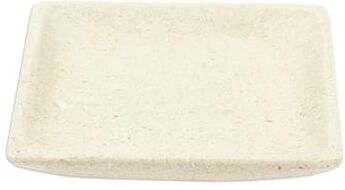
Novica Handmade Ecru Sophistication Marble PlateMexico's Sierra Family works with marble, a sturdy and precious material, to create sophisticated accents for your table. This time, they present a square plate in a refined ecru tone, polished for an elegant style and perfect for a minimalist touch.75,98 $*Shipping: 0,00 $Secure redirect to the provider
-
Touch of Class Floral Sophistication Wall Art Ivory , IvoryBeautiful blossoms unfurl a new level of Floral Sophistication within your space. With a dimensional layered design, the hand-finished metal wall sculpture features textured light ivory flowers with lovely blush centers, golden openwork blooms,...229,00 $*Shipping: 32,06 $Secure redirect to the provider
-
What is the Himalayas?
The Himalayas is a vast mountain range in Asia, separating the plains of the Indian subcontinent from the Tibetan Plateau. It is home to some of the world's highest peaks, including Mount Everest, and spans five countries: India, Nepal, Bhutan, China, and Pakistan. The Himalayas are also known for their rich biodiversity, with a wide variety of flora and fauna found in the region. Additionally, the range has significant cultural and spiritual importance, with many sacred sites and pilgrimage routes located within its peaks and valleys. **
-
Where is the Himalayas located?
The Himalayas are located in Asia, spanning across five countries: India, Nepal, Bhutan, China, and Pakistan. This mountain range stretches over 1,500 miles from east to west, and its highest peak, Mount Everest, is situated in Nepal. The Himalayas are known for their majestic beauty and are a popular destination for trekkers, climbers, and nature enthusiasts. **
-
How old is the Himalayas?
The Himalayas are estimated to be around 50 million years old. The mountain range was formed as a result of the collision between the Indian and Eurasian tectonic plates. Over millions of years, the Himalayas have continued to grow and change due to the ongoing movement of these plates. The Himalayas are considered relatively young compared to other mountain ranges on Earth. **
-
How high are the Himalayas?
The Himalayas are the highest mountain range in the world, with the highest peak being Mount Everest at 29,032 feet (8,849 meters) above sea level. The range spans across five countries - India, Nepal, Bhutan, China, and Pakistan - and includes over 100 mountains that are over 23,600 feet (7,200 meters) high. The average elevation of the Himalayas is around 16,000 feet (4,900 meters) above sea level, making it one of the most formidable and majestic mountain ranges on Earth. **
Similar search terms for Himalayas
-
Touch of Class "Nobility Rectangle Rug Beige, 3'10"" x 5'5"", Beige"Quatrefoil and medallion designs reign supreme on the Nobility Rug. This power-loomed, polyester area rug, .30 thick, has ornate motifs that decorate with elegant splendor. Colors include warm beige, deep brown, and ivory. We recommend professional...279,00 $*Shipping: 39,06 $Secure redirect to the provider
-
Inspire Select Radiant Elegance Diamond Accent Women's Quartz Luxury Watch redTurn every moment into a statement of grace and confidence with this stunning diamond womens watch designed to capture attention effortlessly. Crafted for women who appreciate refined style and everyday versatility, this elegant timepiece blends...99,98 $*Shipping: 0,00 $Secure redirect to the provider
-
Saro Lifestyle "Modern Sophistication Woven Textured Stripe Table Runner - 16""x72"""Add a touch of sophistication to your table with this Woven Striped Table Runner. The intricately woven design showcases timeless stripes, creating a classic and elegant look.36,99 $*Shipping: 0,00 $Secure redirect to the provider
-
Inspire Essentials Elegance Gold Stainless Steel Women Watch Luxury Quartz Bracelet aTimeless style speaks before you do. This gold stainless steel women watch blends refined elegance with modern simplicity, making it the perfect statement for both business and everyday wear. Designed as a sophisticated luxury women quartz watch, it...81,50 $*Shipping: 0,00 $Secure redirect to the provider
-
How was the Himalayas formed?
The Himalayas were formed through the collision of the Indian Plate and the Eurasian Plate. Around 50 million years ago, the Indian Plate began moving northward and eventually collided with the Eurasian Plate. This collision caused the Earth's crust to crumple and fold, resulting in the formation of the Himalayan mountain range. The ongoing tectonic activity in the region continues to push the Himalayas higher, making them one of the youngest and tallest mountain ranges in the world. **
-
Why are there no volcanoes in the Himalayas?
The Himalayas are formed by the collision of the Indian and Eurasian tectonic plates, which has resulted in the uplift of the region. This collision has caused the crust to thicken and push upwards, creating the towering mountain range. However, the process of subduction, which is responsible for the formation of volcanoes, is not occurring in the Himalayas. Instead, the collision has led to the formation of fold mountains, where the crust is pushed together and uplifted, but not melted and erupted as in the case of volcanic mountains. Therefore, the absence of subduction and the type of tectonic activity in the Himalayas are the reasons why there are no volcanoes in the region. **
-
Why is there no active volcanism in the Himalayas?
The Himalayas are formed by the collision of the Indian and Eurasian tectonic plates, which has resulted in the uplift of the region. This collision has caused the crust to thicken and compress, making it difficult for magma to rise to the surface and form volcanoes. Additionally, the Indian plate is currently moving northward and underthrusting beneath the Eurasian plate, which further inhibits volcanic activity in the region. As a result, the Himalayas do not have active volcanism. **
-
What is the climate like in the Bhutan Himalayas?
The climate in the Bhutan Himalayas varies depending on the altitude. In the lower regions, the climate is subtropical with hot and humid summers and mild winters. As you move higher up, the climate becomes cooler and more temperate, with a mix of temperate and alpine forests. At the highest elevations, the climate is alpine and can be very cold, with snow and freezing temperatures. Overall, the climate in the Bhutan Himalayas is diverse and can change dramatically with elevation. **
* All prices are inclusive of VAT and, if applicable, plus shipping costs. The offer information is based on the details provided by the respective shop and is updated through automated processes. Real-time updates do not occur, so deviations can occur in individual cases. ** Note: Parts of this content were created by AI.