Buy edelleute.eu ?
We are moving the project
edelleute.eu .
Are you interested in purchasing the domain
edelleute.eu ?
domain@kv-gmbh.de · 0541-91531010
Buy edelleute.eu ?
What does the term profane questions mean?
Profane questions refer to inquiries that are considered disrespectful, irreverent, or inappropriate in a particular context, especially in religious or sacred settings. These questions may challenge or mock religious beliefs, practices, or figures, and are often seen as offensive or sacrilegious by those who hold the beliefs being questioned. Profane questions can be seen as disruptive or disrespectful to the sanctity of certain subjects and are often discouraged or condemned in religious or cultural contexts. **
What does sacred profane mean and what is a hierophany?
The sacred and the profane are two contrasting categories that refer to different aspects of human experience and the world. The sacred refers to the realm of the divine, the transcendent, and the holy, while the profane refers to the ordinary, mundane, and secular aspects of life. A hierophany is a term coined by religious scholar Mircea Eliade to describe the manifestation of the sacred in the profane world. It is an event or object that serves as a revelation of the sacred and allows for a direct encounter with the divine. Hierophanies can take many forms, such as rituals, symbols, or natural phenomena, and they are central to religious experiences and practices in various cultures. **

Similar search terms for Profane
Top-Angebote
Products related to Profane:
-
Touch of Class Floral Sophistication Wall Art Ivory , IvoryBeautiful blossoms unfurl a new level of Floral Sophistication within your space. With a dimensional layered design, the hand-finished metal wall sculpture features textured light ivory flowers with lovely blush centers, golden openwork blooms,...229,00 $*Shipping: 32,06 $Secure redirect to the provider
-
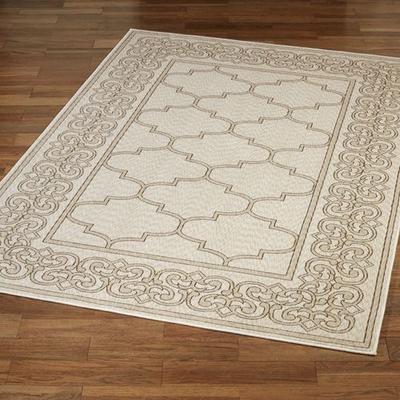
Touch of Class "Nobility Rectangle Rug Beige, 3'10"" x 5'5"", Beige"Quatrefoil and medallion designs reign supreme on the Nobility Rug. This power-loomed, polyester area rug, .30 thick, has ornate motifs that decorate with elegant splendor. Colors include warm beige, deep brown, and ivory. We recommend professional...279,00 $*Shipping: 39,06 $Secure redirect to the provider
-
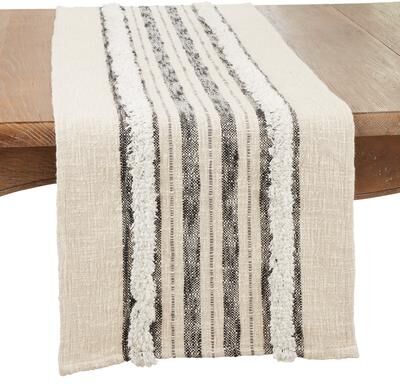
Saro Lifestyle "Modern Sophistication Woven Textured Stripe Table Runner - 16""x72"""Add a touch of sophistication to your table with this Woven Striped Table Runner. The intricately woven design showcases timeless stripes, creating a classic and elegant look.36,99 $*Shipping: 0,00 $Secure redirect to the provider


-
How does Mircea Eliade explain the concepts of sacred, profane, and hierophany?
Mircea Eliade, a renowned historian of religion, explains the concepts of sacred and profane as two distinct modes of being in the world. The sacred represents a transcendent reality that is imbued with meaning and significance, while the profane is the ordinary, mundane realm of everyday life. Eliade also introduces the concept of hierophany, which refers to the manifestation of the sacred in the profane world. According to Eliade, hierophanies are moments or objects that serve as a bridge between the sacred and profane, allowing individuals to experience the divine in their everyday lives. **
-
Is there a difference between nobility and elegance?
Yes, there is a difference between nobility and elegance. Nobility typically refers to a person's social status or rank, often associated with titles and hereditary privilege. On the other hand, elegance is more about grace, refinement, and sophistication in one's appearance, behavior, or style. While nobility can be a factor in someone being perceived as elegant, elegance can be achieved by anyone regardless of their social status. **
-
What makes elegance?
Elegance is a combination of simplicity, grace, and refinement. It is about being stylish and sophisticated without being flashy or overdone. Elegance can be seen in the way someone carries themselves, in their mannerisms, and in their choice of words and actions. It is a timeless quality that exudes class and charm. **
-
What is an aristocracy?
An aristocracy is a form of government or social system in which a small, privileged elite holds power and influence. This elite class is typically made up of wealthy and noble families who inherit their status and often have hereditary titles and land ownership. In an aristocracy, political and social power is concentrated in the hands of this small group, and they often have significant control over the resources and decision-making processes of the society. Historically, aristocracies have been common in many societies, particularly in feudal and monarchic systems. **


What are the advantages of aristocracy?
Aristocracy can provide stability and continuity in governance, as power is typically passed down through generations within a select group of individuals. This can lead to long-term planning and decision-making that is focused on the well-being of the society as a whole. Additionally, aristocracy often brings with it a sense of duty and responsibility towards the people, as the ruling class is expected to uphold certain standards of behavior and leadership. Lastly, aristocracy can also promote expertise and specialization in governance, as those in power may have been trained from a young age in matters of statecraft and leadership. **
Is the Roman Republic an aristocracy?
The Roman Republic can be considered an aristocracy to some extent. While it had elements of democracy, such as the election of officials and the existence of a Senate, the power was largely concentrated in the hands of the aristocratic class. The patrician families held significant influence and control over the political and social life of the Republic, and their wealth and status played a crucial role in determining their political power. Additionally, the Roman Republic had a system of checks and balances that allowed the aristocracy to maintain their privileged position. Therefore, while it had some democratic features, the Roman Republic can be seen as an aristocracy due to the dominance of the aristocratic class in its governance. **
Top-Angebote
Products related to Profane:
-
RLF Home Nobility Glory Valance"Nobility Glory Valance. Decorator's quality fabric. Fully lined with ivory poly/cotton goods. 3"" rod pocket fits a window up to 48""W. Use a 2-1/2"" contintal rod, regular 3/4"" rod, tension rod or decorative pole up to 1-3/8"" diameter."76,99 $*Shipping: 0,00 $Secure redirect to the provider
-
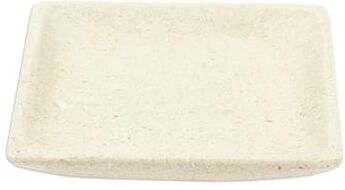
Novica Handmade Ecru Sophistication Marble PlateMexico's Sierra Family works with marble, a sturdy and precious material, to create sophisticated accents for your table. This time, they present a square plate in a refined ecru tone, polished for an elegant style and perfect for a minimalist touch.75,98 $*Shipping: 0,00 $Secure redirect to the provider
-
Touch of Class Floral Sophistication Wall Art Ivory , IvoryBeautiful blossoms unfurl a new level of Floral Sophistication within your space. With a dimensional layered design, the hand-finished metal wall sculpture features textured light ivory flowers with lovely blush centers, golden openwork blooms,...229,00 $*Shipping: 32,06 $Secure redirect to the provider
-
What does the term profane questions mean?
Profane questions refer to inquiries that are considered disrespectful, irreverent, or inappropriate in a particular context, especially in religious or sacred settings. These questions may challenge or mock religious beliefs, practices, or figures, and are often seen as offensive or sacrilegious by those who hold the beliefs being questioned. Profane questions can be seen as disruptive or disrespectful to the sanctity of certain subjects and are often discouraged or condemned in religious or cultural contexts. **
-
What does sacred profane mean and what is a hierophany?
The sacred and the profane are two contrasting categories that refer to different aspects of human experience and the world. The sacred refers to the realm of the divine, the transcendent, and the holy, while the profane refers to the ordinary, mundane, and secular aspects of life. A hierophany is a term coined by religious scholar Mircea Eliade to describe the manifestation of the sacred in the profane world. It is an event or object that serves as a revelation of the sacred and allows for a direct encounter with the divine. Hierophanies can take many forms, such as rituals, symbols, or natural phenomena, and they are central to religious experiences and practices in various cultures. **
-
How does Mircea Eliade explain the concepts of sacred, profane, and hierophany?
Mircea Eliade, a renowned historian of religion, explains the concepts of sacred and profane as two distinct modes of being in the world. The sacred represents a transcendent reality that is imbued with meaning and significance, while the profane is the ordinary, mundane realm of everyday life. Eliade also introduces the concept of hierophany, which refers to the manifestation of the sacred in the profane world. According to Eliade, hierophanies are moments or objects that serve as a bridge between the sacred and profane, allowing individuals to experience the divine in their everyday lives. **
-
Is there a difference between nobility and elegance?
Yes, there is a difference between nobility and elegance. Nobility typically refers to a person's social status or rank, often associated with titles and hereditary privilege. On the other hand, elegance is more about grace, refinement, and sophistication in one's appearance, behavior, or style. While nobility can be a factor in someone being perceived as elegant, elegance can be achieved by anyone regardless of their social status. **
Similar search terms for Profane
-
Touch of Class "Nobility Rectangle Rug Beige, 3'10"" x 5'5"", Beige"Quatrefoil and medallion designs reign supreme on the Nobility Rug. This power-loomed, polyester area rug, .30 thick, has ornate motifs that decorate with elegant splendor. Colors include warm beige, deep brown, and ivory. We recommend professional...279,00 $*Shipping: 39,06 $Secure redirect to the provider
-
Saro Lifestyle "Modern Sophistication Woven Textured Stripe Table Runner - 16""x72"""Add a touch of sophistication to your table with this Woven Striped Table Runner. The intricately woven design showcases timeless stripes, creating a classic and elegant look.36,99 $*Shipping: 0,00 $Secure redirect to the provider
-
Martex Elegance Satin Sheet Set Silky Soft Smooth Luxury Bed SheetsBeauty Sleep Friendly: These sheets are soft on skin and gentle on hair, helping reduce hair breakage and friction. Satin bedding transforms your sleep experience with a smooth, silky feel that elevates nightly comfort.28,99 $*Shipping: 0,00 $Secure redirect to the provider
-
Touch of Class "Nobility Rectangle Rug Beige, 5'3"" x 7'6"", Beige"Quatrefoil and medallion designs reign supreme on the Nobility Rug. This power-loomed, polyester area rug, .30 thick, has ornate motifs that decorate with elegant splendor. Colors include warm beige, deep brown, and ivory. We recommend professional...499,00 $*Shipping: 69,86 $Secure redirect to the provider
-
What makes elegance?
Elegance is a combination of simplicity, grace, and refinement. It is about being stylish and sophisticated without being flashy or overdone. Elegance can be seen in the way someone carries themselves, in their mannerisms, and in their choice of words and actions. It is a timeless quality that exudes class and charm. **
-
What is an aristocracy?
An aristocracy is a form of government or social system in which a small, privileged elite holds power and influence. This elite class is typically made up of wealthy and noble families who inherit their status and often have hereditary titles and land ownership. In an aristocracy, political and social power is concentrated in the hands of this small group, and they often have significant control over the resources and decision-making processes of the society. Historically, aristocracies have been common in many societies, particularly in feudal and monarchic systems. **
-
What are the advantages of aristocracy?
Aristocracy can provide stability and continuity in governance, as power is typically passed down through generations within a select group of individuals. This can lead to long-term planning and decision-making that is focused on the well-being of the society as a whole. Additionally, aristocracy often brings with it a sense of duty and responsibility towards the people, as the ruling class is expected to uphold certain standards of behavior and leadership. Lastly, aristocracy can also promote expertise and specialization in governance, as those in power may have been trained from a young age in matters of statecraft and leadership. **
-
Is the Roman Republic an aristocracy?
The Roman Republic can be considered an aristocracy to some extent. While it had elements of democracy, such as the election of officials and the existence of a Senate, the power was largely concentrated in the hands of the aristocratic class. The patrician families held significant influence and control over the political and social life of the Republic, and their wealth and status played a crucial role in determining their political power. Additionally, the Roman Republic had a system of checks and balances that allowed the aristocracy to maintain their privileged position. Therefore, while it had some democratic features, the Roman Republic can be seen as an aristocracy due to the dominance of the aristocratic class in its governance. **
* All prices are inclusive of VAT and, if applicable, plus shipping costs. The offer information is based on the details provided by the respective shop and is updated through automated processes. Real-time updates do not occur, so deviations can occur in individual cases. ** Note: Parts of this content were created by AI.