Buy edelleute.eu ?
We are moving the project
edelleute.eu .
Are you interested in purchasing the domain
edelleute.eu ?
domain@kv-gmbh.de · 0541-91531010
Buy edelleute.eu ?
How can one study radiology?
One can study radiology by completing a bachelor's degree in a related field such as biology, chemistry, or physics, followed by attending medical school to become a doctor. After completing medical school, one can pursue a residency program in radiology, which typically lasts for four years. During the residency, individuals receive hands-on training in various imaging techniques and interpretation of medical images. Additionally, obtaining board certification in radiology is often required to practice as a radiologist. **
Does radiology require training assistance?
Yes, radiology does require training assistance. Radiology is a complex field that involves the use of advanced imaging technology to diagnose and treat medical conditions. Radiologists need to undergo extensive training to understand the various imaging techniques, interpret the results accurately, and make informed decisions about patient care. Additionally, ongoing training and education are essential to keep up with the latest advancements in imaging technology and medical knowledge. Therefore, training assistance in the form of mentorship, residency programs, and continuing education opportunities is crucial for radiologists to develop and maintain their skills. **


Similar search terms for Radiology
Top-Angebote
Products related to Radiology:
-
Touch of Class Floral Sophistication Wall Art Ivory , IvoryBeautiful blossoms unfurl a new level of Floral Sophistication within your space. With a dimensional layered design, the hand-finished metal wall sculpture features textured light ivory flowers with lovely blush centers, golden openwork blooms,...229,00 $*Shipping: 32,06 $Secure redirect to the provider
-
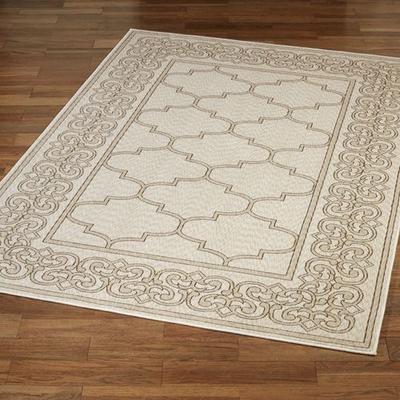
Touch of Class "Nobility Rectangle Rug Beige, 3'10"" x 5'5"", Beige"Quatrefoil and medallion designs reign supreme on the Nobility Rug. This power-loomed, polyester area rug, .30 thick, has ornate motifs that decorate with elegant splendor. Colors include warm beige, deep brown, and ivory. We recommend professional...279,00 $*Shipping: 39,06 $Secure redirect to the provider
-
Saro Lifestyle "Modern Sophistication Woven Textured Stripe Table Runner - 16""x72"""Add a touch of sophistication to your table with this Woven Striped Table Runner. The intricately woven design showcases timeless stripes, creating a classic and elegant look.36,99 $*Shipping: 0,00 $Secure redirect to the provider



-
Is the training to become a medical technical radiology assistant (MTRA) in radiology dangerous?
The training to become a medical technical radiology assistant (MTRA) in radiology is not inherently dangerous. However, like any medical profession, there are potential risks associated with working in a healthcare setting, such as exposure to radiation and infectious diseases. Proper training, adherence to safety protocols, and the use of protective equipment can help minimize these risks. Additionally, ongoing education and professional development are important for staying updated on best practices for ensuring safety in the workplace. **
-
Is there a difference between nobility and elegance?
Yes, there is a difference between nobility and elegance. Nobility typically refers to a person's social status or rank, often associated with titles and hereditary privilege. On the other hand, elegance is more about grace, refinement, and sophistication in one's appearance, behavior, or style. While nobility can be a factor in someone being perceived as elegant, elegance can be achieved by anyone regardless of their social status. **
-
What are the requirements for a radiology assistant?
To become a radiology assistant, one typically needs to have a bachelor's degree in radiologic technology or a related field. Additionally, many employers require certification as a radiologic technologist and several years of experience working in radiology. Some employers may also prefer candidates who have completed a radiology assistant program or have a master's degree in radiologic science. Strong communication and interpersonal skills are also important for this role, as radiology assistants often work closely with patients and other healthcare professionals. **
-
What are the costs of a radiology practice?
The costs of a radiology practice can include equipment and technology expenses, such as MRI machines, CT scanners, and X-ray machines, which can be quite expensive to purchase and maintain. Additionally, there are costs associated with staffing, including salaries for radiologists, technicians, and administrative staff. Other costs may include facility expenses, such as rent, utilities, and maintenance, as well as the cost of supplies and materials needed for imaging procedures. Finally, there are also costs associated with compliance, such as maintaining accreditation and meeting regulatory requirements. **


How do I find an internship in radiology?
To find an internship in radiology, you can start by reaching out to local hospitals, medical imaging centers, and radiology departments at healthcare facilities to inquire about internship opportunities. You can also check with your college or university's career services office, as they may have connections with healthcare organizations that offer radiology internships. Additionally, networking with radiology professionals and joining professional organizations in the field can help you learn about internship opportunities and make valuable connections. Finally, consider searching online job boards and internship databases for radiology internships in your area. **
What is the difference between training to become a medical technology radiology assistant and training to become a radiology technologist?
Training to become a medical technology radiology assistant typically involves a shorter program, usually a certificate or associate degree, focusing on assisting radiologic technologists with patient care, equipment operation, and image processing. On the other hand, training to become a radiology technologist involves a more in-depth program, usually a bachelor's degree, that includes coursework in anatomy, physiology, patient care, radiation physics, and imaging techniques. Radiology technologists are responsible for performing imaging procedures and ensuring high-quality diagnostic images are produced, while radiology assistants support technologists in various aspects of the imaging process. **
Top-Angebote
Products related to Radiology:
-
RLF Home Nobility Glory Valance"Nobility Glory Valance. Decorator's quality fabric. Fully lined with ivory poly/cotton goods. 3"" rod pocket fits a window up to 48""W. Use a 2-1/2"" contintal rod, regular 3/4"" rod, tension rod or decorative pole up to 1-3/8"" diameter."76,99 $*Shipping: 0,00 $Secure redirect to the provider
-
Novica Handmade Ecru Sophistication Marble PlateMexico's Sierra Family works with marble, a sturdy and precious material, to create sophisticated accents for your table. This time, they present a square plate in a refined ecru tone, polished for an elegant style and perfect for a minimalist touch.75,98 $*Shipping: 0,00 $Secure redirect to the provider
-
Touch of Class Floral Sophistication Wall Art Ivory , IvoryBeautiful blossoms unfurl a new level of Floral Sophistication within your space. With a dimensional layered design, the hand-finished metal wall sculpture features textured light ivory flowers with lovely blush centers, golden openwork blooms,...229,00 $*Shipping: 32,06 $Secure redirect to the provider
-
How can one study radiology?
One can study radiology by completing a bachelor's degree in a related field such as biology, chemistry, or physics, followed by attending medical school to become a doctor. After completing medical school, one can pursue a residency program in radiology, which typically lasts for four years. During the residency, individuals receive hands-on training in various imaging techniques and interpretation of medical images. Additionally, obtaining board certification in radiology is often required to practice as a radiologist. **
-
Does radiology require training assistance?
Yes, radiology does require training assistance. Radiology is a complex field that involves the use of advanced imaging technology to diagnose and treat medical conditions. Radiologists need to undergo extensive training to understand the various imaging techniques, interpret the results accurately, and make informed decisions about patient care. Additionally, ongoing training and education are essential to keep up with the latest advancements in imaging technology and medical knowledge. Therefore, training assistance in the form of mentorship, residency programs, and continuing education opportunities is crucial for radiologists to develop and maintain their skills. **
-
Is the training to become a medical technical radiology assistant (MTRA) in radiology dangerous?
The training to become a medical technical radiology assistant (MTRA) in radiology is not inherently dangerous. However, like any medical profession, there are potential risks associated with working in a healthcare setting, such as exposure to radiation and infectious diseases. Proper training, adherence to safety protocols, and the use of protective equipment can help minimize these risks. Additionally, ongoing education and professional development are important for staying updated on best practices for ensuring safety in the workplace. **
-
Is there a difference between nobility and elegance?
Yes, there is a difference between nobility and elegance. Nobility typically refers to a person's social status or rank, often associated with titles and hereditary privilege. On the other hand, elegance is more about grace, refinement, and sophistication in one's appearance, behavior, or style. While nobility can be a factor in someone being perceived as elegant, elegance can be achieved by anyone regardless of their social status. **
Similar search terms for Radiology
-
Touch of Class "Nobility Rectangle Rug Beige, 3'10"" x 5'5"", Beige"Quatrefoil and medallion designs reign supreme on the Nobility Rug. This power-loomed, polyester area rug, .30 thick, has ornate motifs that decorate with elegant splendor. Colors include warm beige, deep brown, and ivory. We recommend professional...279,00 $*Shipping: 39,06 $Secure redirect to the provider
-
Saro Lifestyle "Modern Sophistication Woven Textured Stripe Table Runner - 16""x72"""Add a touch of sophistication to your table with this Woven Striped Table Runner. The intricately woven design showcases timeless stripes, creating a classic and elegant look.36,99 $*Shipping: 0,00 $Secure redirect to the provider
-
Martex Elegance Satin Sheet Set Silky Soft Smooth Luxury Bed SheetsBeauty Sleep Friendly: These sheets are soft on skin and gentle on hair, helping reduce hair breakage and friction. Satin bedding transforms your sleep experience with a smooth, silky feel that elevates nightly comfort.28,99 $*Shipping: 0,00 $Secure redirect to the provider
-
Touch of Class "Nobility Rectangle Rug Beige, 5'3"" x 7'6"", Beige"Quatrefoil and medallion designs reign supreme on the Nobility Rug. This power-loomed, polyester area rug, .30 thick, has ornate motifs that decorate with elegant splendor. Colors include warm beige, deep brown, and ivory. We recommend professional...499,00 $*Shipping: 69,86 $Secure redirect to the provider
-
What are the requirements for a radiology assistant?
To become a radiology assistant, one typically needs to have a bachelor's degree in radiologic technology or a related field. Additionally, many employers require certification as a radiologic technologist and several years of experience working in radiology. Some employers may also prefer candidates who have completed a radiology assistant program or have a master's degree in radiologic science. Strong communication and interpersonal skills are also important for this role, as radiology assistants often work closely with patients and other healthcare professionals. **
-
What are the costs of a radiology practice?
The costs of a radiology practice can include equipment and technology expenses, such as MRI machines, CT scanners, and X-ray machines, which can be quite expensive to purchase and maintain. Additionally, there are costs associated with staffing, including salaries for radiologists, technicians, and administrative staff. Other costs may include facility expenses, such as rent, utilities, and maintenance, as well as the cost of supplies and materials needed for imaging procedures. Finally, there are also costs associated with compliance, such as maintaining accreditation and meeting regulatory requirements. **
-
How do I find an internship in radiology?
To find an internship in radiology, you can start by reaching out to local hospitals, medical imaging centers, and radiology departments at healthcare facilities to inquire about internship opportunities. You can also check with your college or university's career services office, as they may have connections with healthcare organizations that offer radiology internships. Additionally, networking with radiology professionals and joining professional organizations in the field can help you learn about internship opportunities and make valuable connections. Finally, consider searching online job boards and internship databases for radiology internships in your area. **
-
What is the difference between training to become a medical technology radiology assistant and training to become a radiology technologist?
Training to become a medical technology radiology assistant typically involves a shorter program, usually a certificate or associate degree, focusing on assisting radiologic technologists with patient care, equipment operation, and image processing. On the other hand, training to become a radiology technologist involves a more in-depth program, usually a bachelor's degree, that includes coursework in anatomy, physiology, patient care, radiation physics, and imaging techniques. Radiology technologists are responsible for performing imaging procedures and ensuring high-quality diagnostic images are produced, while radiology assistants support technologists in various aspects of the imaging process. **
* All prices are inclusive of VAT and, if applicable, plus shipping costs. The offer information is based on the details provided by the respective shop and is updated through automated processes. Real-time updates do not occur, so deviations can occur in individual cases. ** Note: Parts of this content were created by AI.