Buy edelleute.eu ?
We are moving the project
edelleute.eu .
Are you interested in purchasing the domain
edelleute.eu ?
domain@kv-gmbh.de · 0541-91531010
Buy edelleute.eu ?
What were the Reformation and Counter-Reformation?
The Reformation was a 16th-century movement within Christianity that aimed to reform the Roman Catholic Church. It was led by figures such as Martin Luther, John Calvin, and Huldrych Zwingli, who sought to address corruption and abuses within the Church. The Counter-Reformation, on the other hand, was the Catholic Church's response to the Reformation. It involved efforts to reaffirm and strengthen Catholic doctrine, as well as to address some of the criticisms raised by the reformers. The Council of Trent, held between 1545 and 1563, was a key event in the Counter-Reformation, as it outlined reforms and clarified Catholic teachings. **
What was the Reformation and the Counter-Reformation?
The Reformation was a 16th-century movement in Europe that sought to reform the Roman Catholic Church and resulted in the creation of Protestantism. It was sparked by Martin Luther's 95 Theses, which criticized the Church's practices and teachings. The Counter-Reformation was the Catholic Church's response to the Reformation, aiming to address the issues raised by the reformers and to reassert the Church's authority. It included efforts to reform the Church from within, as well as the establishment of the Inquisition to combat heresy. **


Similar search terms for Reformation
Top-Angebote
Products related to Reformation:
-
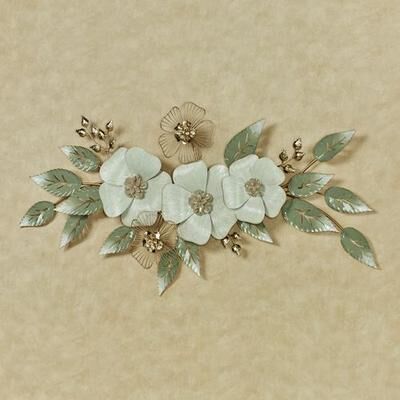
Touch of Class Floral Sophistication Wall Art Ivory , IvoryBeautiful blossoms unfurl a new level of Floral Sophistication within your space. With a dimensional layered design, the hand-finished metal wall sculpture features textured light ivory flowers with lovely blush centers, golden openwork blooms,...229,00 $*Shipping: 32,06 $Secure redirect to the provider
-
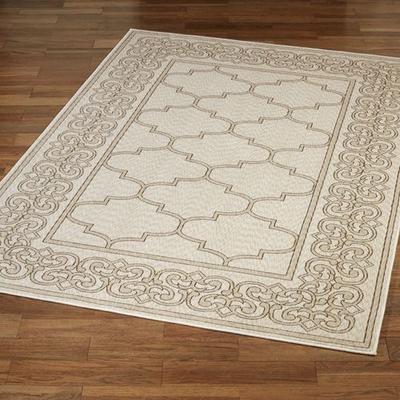
Touch of Class "Nobility Rectangle Rug Beige, 3'10"" x 5'5"", Beige"Quatrefoil and medallion designs reign supreme on the Nobility Rug. This power-loomed, polyester area rug, .30 thick, has ornate motifs that decorate with elegant splendor. Colors include warm beige, deep brown, and ivory. We recommend professional...279,00 $*Shipping: 39,06 $Secure redirect to the provider
-
Saro Lifestyle "Modern Sophistication Woven Textured Stripe Table Runner - 16""x72"""Add a touch of sophistication to your table with this Woven Striped Table Runner. The intricately woven design showcases timeless stripes, creating a classic and elegant look.36,99 $*Shipping: 0,00 $Secure redirect to the provider


-
Why were numerous universities founded during the Reformation and Counter-Reformation era?
Numerous universities were founded during the Reformation and Counter-Reformation era because of the increased demand for education and the need to train clergy and scholars in the theological and philosophical debates of the time. The Reformation led to a greater emphasis on the study of scripture and theology, prompting the establishment of Protestant universities to train ministers and scholars in these areas. On the other hand, the Counter-Reformation, led by the Catholic Church, also saw the founding of universities to educate clergy and counter the spread of Protestant ideas. Additionally, the printing press allowed for the dissemination of knowledge, leading to a greater demand for education and the establishment of more universities. **
-
Does the Princes' Reformation differ significantly from the People's Reformation under Luther?
Yes, the Princes' Reformation and the People's Reformation under Luther differ significantly. The Princes' Reformation was driven by political and economic motivations, as many German princes saw an opportunity to gain power and wealth by breaking away from the authority of the Catholic Church. On the other hand, the People's Reformation was more focused on religious and spiritual concerns, with Luther's teachings resonating with the common people who were seeking a more personal and direct relationship with God. Additionally, the Princes' Reformation often involved the use of force and coercion to implement religious changes, while the People's Reformation was more grassroots and organic in nature. **
-
What was the Counter-Reformation?
The Counter-Reformation was a period of Catholic resurgence in response to the Protestant Reformation. It was a movement within the Catholic Church to address the criticisms and challenges posed by the Protestant reformers. The Counter-Reformation involved efforts to reform the Church from within, combat heresy, and strengthen Catholic doctrine and practices. It also led to the founding of new religious orders, such as the Jesuits, to spread Catholicism and combat the spread of Protestantism. **
-
How was it before the Reformation?
Before the Reformation, the Catholic Church held significant power and influence over many aspects of society in Europe. The Church was the dominant religious institution, with a strong hierarchy led by the Pope in Rome. It controlled religious practices, education, and even had a say in political matters. The Church also collected tithes and sold indulgences, which were seen as a way to reduce punishment for sins. However, there were also criticisms of the Church's practices, such as corruption among clergy members, the selling of indulgences, and the lack of access to religious texts for the common people. These criticisms eventually led to the Reformation, a movement that sought to reform the Catholic Church and ultimately resulted in the establishment of Protestantism as a separate branch of Christianity. **


Is there a reformation among Catholics?
Yes, there have been movements within the Catholic Church that can be seen as a form of reformation. One example is the Second Vatican Council in the 1960s, which brought significant changes to the Church's practices and teachings. Additionally, there are ongoing discussions and debates within the Church about various issues, such as the role of women, the handling of sexual abuse scandals, and the approach to social justice. These movements can be seen as efforts to reform and renew the Catholic Church in response to the changing world. **
Why did Reformation Day become Halloween?
Reformation Day, which commemorates the day Martin Luther nailed his 95 Theses to the church door in Wittenberg, Germany, on October 31, 1517, is the same day as Halloween. The connection between the two dates is likely due to the fact that Halloween, or All Hallows' Eve, falls on the night before All Saints' Day, a Christian holiday. Over time, the traditions and customs of Halloween, such as dressing up in costumes and going door-to-door for treats, have become more prominent, overshadowing the religious significance of Reformation Day. As a result, the two events have become intertwined in popular culture. **
Top-Angebote
Products related to Reformation:
-
RLF Home Nobility Glory Valance"Nobility Glory Valance. Decorator's quality fabric. Fully lined with ivory poly/cotton goods. 3"" rod pocket fits a window up to 48""W. Use a 2-1/2"" contintal rod, regular 3/4"" rod, tension rod or decorative pole up to 1-3/8"" diameter."76,99 $*Shipping: 0,00 $Secure redirect to the provider
-
Novica Handmade Ecru Sophistication Marble PlateMexico's Sierra Family works with marble, a sturdy and precious material, to create sophisticated accents for your table. This time, they present a square plate in a refined ecru tone, polished for an elegant style and perfect for a minimalist touch.75,98 $*Shipping: 0,00 $Secure redirect to the provider
-
Touch of Class Floral Sophistication Wall Art Ivory , IvoryBeautiful blossoms unfurl a new level of Floral Sophistication within your space. With a dimensional layered design, the hand-finished metal wall sculpture features textured light ivory flowers with lovely blush centers, golden openwork blooms,...229,00 $*Shipping: 32,06 $Secure redirect to the provider
-
What were the Reformation and Counter-Reformation?
The Reformation was a 16th-century movement within Christianity that aimed to reform the Roman Catholic Church. It was led by figures such as Martin Luther, John Calvin, and Huldrych Zwingli, who sought to address corruption and abuses within the Church. The Counter-Reformation, on the other hand, was the Catholic Church's response to the Reformation. It involved efforts to reaffirm and strengthen Catholic doctrine, as well as to address some of the criticisms raised by the reformers. The Council of Trent, held between 1545 and 1563, was a key event in the Counter-Reformation, as it outlined reforms and clarified Catholic teachings. **
-
What was the Reformation and the Counter-Reformation?
The Reformation was a 16th-century movement in Europe that sought to reform the Roman Catholic Church and resulted in the creation of Protestantism. It was sparked by Martin Luther's 95 Theses, which criticized the Church's practices and teachings. The Counter-Reformation was the Catholic Church's response to the Reformation, aiming to address the issues raised by the reformers and to reassert the Church's authority. It included efforts to reform the Church from within, as well as the establishment of the Inquisition to combat heresy. **
-
Why were numerous universities founded during the Reformation and Counter-Reformation era?
Numerous universities were founded during the Reformation and Counter-Reformation era because of the increased demand for education and the need to train clergy and scholars in the theological and philosophical debates of the time. The Reformation led to a greater emphasis on the study of scripture and theology, prompting the establishment of Protestant universities to train ministers and scholars in these areas. On the other hand, the Counter-Reformation, led by the Catholic Church, also saw the founding of universities to educate clergy and counter the spread of Protestant ideas. Additionally, the printing press allowed for the dissemination of knowledge, leading to a greater demand for education and the establishment of more universities. **
-
Does the Princes' Reformation differ significantly from the People's Reformation under Luther?
Yes, the Princes' Reformation and the People's Reformation under Luther differ significantly. The Princes' Reformation was driven by political and economic motivations, as many German princes saw an opportunity to gain power and wealth by breaking away from the authority of the Catholic Church. On the other hand, the People's Reformation was more focused on religious and spiritual concerns, with Luther's teachings resonating with the common people who were seeking a more personal and direct relationship with God. Additionally, the Princes' Reformation often involved the use of force and coercion to implement religious changes, while the People's Reformation was more grassroots and organic in nature. **
Similar search terms for Reformation
-
Touch of Class "Nobility Rectangle Rug Beige, 3'10"" x 5'5"", Beige"Quatrefoil and medallion designs reign supreme on the Nobility Rug. This power-loomed, polyester area rug, .30 thick, has ornate motifs that decorate with elegant splendor. Colors include warm beige, deep brown, and ivory. We recommend professional...279,00 $*Shipping: 39,06 $Secure redirect to the provider
-
Saro Lifestyle "Modern Sophistication Woven Textured Stripe Table Runner - 16""x72"""Add a touch of sophistication to your table with this Woven Striped Table Runner. The intricately woven design showcases timeless stripes, creating a classic and elegant look.36,99 $*Shipping: 0,00 $Secure redirect to the provider
-
Inspire Select Radiant Elegance Diamond Accent Women's Quartz Luxury Watch rose GoldTurn every moment into a statement of grace and confidence with this stunning diamond womens watch designed to capture attention effortlessly. Crafted for women who appreciate refined style and everyday versatility, this elegant timepiece blends...99,98 $*Shipping: 0,00 $Secure redirect to the provider
-
Inspire Essentials Elegance Gold Stainless Steel Women Watch Luxury Quartz Bracelet aTimeless style speaks before you do. This gold stainless steel women watch blends refined elegance with modern simplicity, making it the perfect statement for both business and everyday wear. Designed as a sophisticated luxury women quartz watch, it...81,50 $*Shipping: 0,00 $Secure redirect to the provider
-
What was the Counter-Reformation?
The Counter-Reformation was a period of Catholic resurgence in response to the Protestant Reformation. It was a movement within the Catholic Church to address the criticisms and challenges posed by the Protestant reformers. The Counter-Reformation involved efforts to reform the Church from within, combat heresy, and strengthen Catholic doctrine and practices. It also led to the founding of new religious orders, such as the Jesuits, to spread Catholicism and combat the spread of Protestantism. **
-
How was it before the Reformation?
Before the Reformation, the Catholic Church held significant power and influence over many aspects of society in Europe. The Church was the dominant religious institution, with a strong hierarchy led by the Pope in Rome. It controlled religious practices, education, and even had a say in political matters. The Church also collected tithes and sold indulgences, which were seen as a way to reduce punishment for sins. However, there were also criticisms of the Church's practices, such as corruption among clergy members, the selling of indulgences, and the lack of access to religious texts for the common people. These criticisms eventually led to the Reformation, a movement that sought to reform the Catholic Church and ultimately resulted in the establishment of Protestantism as a separate branch of Christianity. **
-
Is there a reformation among Catholics?
Yes, there have been movements within the Catholic Church that can be seen as a form of reformation. One example is the Second Vatican Council in the 1960s, which brought significant changes to the Church's practices and teachings. Additionally, there are ongoing discussions and debates within the Church about various issues, such as the role of women, the handling of sexual abuse scandals, and the approach to social justice. These movements can be seen as efforts to reform and renew the Catholic Church in response to the changing world. **
-
Why did Reformation Day become Halloween?
Reformation Day, which commemorates the day Martin Luther nailed his 95 Theses to the church door in Wittenberg, Germany, on October 31, 1517, is the same day as Halloween. The connection between the two dates is likely due to the fact that Halloween, or All Hallows' Eve, falls on the night before All Saints' Day, a Christian holiday. Over time, the traditions and customs of Halloween, such as dressing up in costumes and going door-to-door for treats, have become more prominent, overshadowing the religious significance of Reformation Day. As a result, the two events have become intertwined in popular culture. **
* All prices are inclusive of VAT and, if applicable, plus shipping costs. The offer information is based on the details provided by the respective shop and is updated through automated processes. Real-time updates do not occur, so deviations can occur in individual cases. ** Note: Parts of this content were created by AI.