Buy edelleute.eu ?
We are moving the project
edelleute.eu .
Are you interested in purchasing the domain
edelleute.eu ?
domain@kv-gmbh.de · 0541-91531010
Buy edelleute.eu ?
Is there a difference between nobility and elegance?
Yes, there is a difference between nobility and elegance. Nobility typically refers to a person's social status or rank, often associated with titles and hereditary privilege. On the other hand, elegance is more about grace, refinement, and sophistication in one's appearance, behavior, or style. While nobility can be a factor in someone being perceived as elegant, elegance can be achieved by anyone regardless of their social status. **
Where is custody regulated?
Custody is regulated at both the state and federal levels in the United States. Each state has its own laws and guidelines regarding child custody, which are typically based on the best interests of the child. Additionally, federal laws such as the Uniform Child Custody Jurisdiction and Enforcement Act (UCCJEA) help to ensure consistency and cooperation between states in custody matters. Overall, custody is a complex legal issue that is governed by a combination of state and federal laws. **

Similar search terms for Regulated
Top-Angebote
Products related to Regulated:
-
Touch of Class Floral Sophistication Wall Art Ivory , IvoryBeautiful blossoms unfurl a new level of Floral Sophistication within your space. With a dimensional layered design, the hand-finished metal wall sculpture features textured light ivory flowers with lovely blush centers, golden openwork blooms,...229,00 $*Shipping: 32,06 $Secure redirect to the provider
-
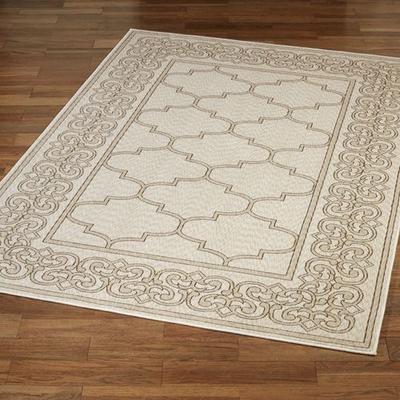
Touch of Class "Nobility Rectangle Rug Beige, 3'10"" x 5'5"", Beige"Quatrefoil and medallion designs reign supreme on the Nobility Rug. This power-loomed, polyester area rug, .30 thick, has ornate motifs that decorate with elegant splendor. Colors include warm beige, deep brown, and ivory. We recommend professional...279,00 $*Shipping: 39,06 $Secure redirect to the provider
-
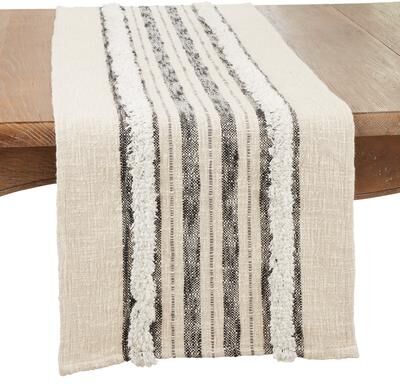
Saro Lifestyle "Modern Sophistication Woven Textured Stripe Table Runner - 16""x72"""Add a touch of sophistication to your table with this Woven Striped Table Runner. The intricately woven design showcases timeless stripes, creating a classic and elegant look.36,99 $*Shipping: 0,00 $Secure redirect to the provider


-
How is sick pay regulated?
Sick pay is regulated by a combination of federal, state, and local laws in the United States. The Family and Medical Leave Act (FMLA) requires certain employers to provide unpaid leave for medical reasons, including sickness. Some states and cities have also implemented paid sick leave laws that require employers to provide a certain amount of paid sick leave to employees. Additionally, some employers may offer sick pay as part of their company policies or collective bargaining agreements with unions. Overall, sick pay regulations can vary depending on the location and size of the employer. **
-
How are company holidays regulated?
Company holidays are regulated by the company's policies and procedures, which are typically outlined in the employee handbook or through communication from the human resources department. These policies may include information on the number of holidays provided, how they are determined (e.g. fixed holidays or floating holidays), and any eligibility criteria for employees to receive holiday pay. Additionally, company holidays may be regulated by federal or state labor laws, which may dictate minimum requirements for holiday pay and time off. Overall, company holidays are regulated through a combination of internal company policies and external legal regulations. **
-
How can they be regulated?
They can be regulated through government policies and regulations that set standards for their production, distribution, and use. This can include laws that limit the amount of pollutants they can emit, require the use of certain technologies to reduce environmental impact, or mandate reporting and monitoring of their operations. Additionally, industry-specific regulations and oversight bodies can help ensure compliance with these regulations and hold companies accountable for any violations. Public pressure and consumer demand for more sustainable practices can also influence companies to self-regulate and adopt more environmentally friendly policies. **
-
How is enzyme activity regulated?
Enzyme activity is regulated through various mechanisms such as allosteric regulation, covalent modification, and competitive inhibition. In allosteric regulation, molecules bind to specific sites on the enzyme, causing a conformational change that either activates or inhibits the enzyme's activity. Covalent modification involves the addition or removal of chemical groups, such as phosphorylation or dephosphorylation, which can alter the enzyme's activity. Competitive inhibition occurs when a molecule competes with the substrate for binding to the enzyme's active site, thereby reducing the enzyme's activity. These regulatory mechanisms allow cells to control enzyme activity in response to changing environmental conditions and metabolic demands. **


Should meat consumption be regulated?
Meat consumption should be regulated to some extent in order to address environmental, health, and ethical concerns. The meat industry is a major contributor to greenhouse gas emissions and deforestation, so regulating consumption could help mitigate these impacts. Additionally, excessive meat consumption has been linked to various health issues, so regulation could help promote healthier dietary choices. From an ethical standpoint, regulating meat consumption could also help address animal welfare concerns. However, it's important to balance regulation with individual choice and cultural practices. **
What is a regulated activity?
A regulated activity is an economic or financial activity that is subject to oversight and regulation by a government authority or regulatory body. These activities are typically considered to be of significant importance to the functioning of the economy or the protection of consumers, and therefore require specific rules and standards to be followed. Examples of regulated activities can include banking, insurance, investment services, and healthcare. Compliance with regulations is necessary to ensure the safety, stability, and integrity of these industries. **
Top-Angebote
Products related to Regulated:
-
RLF Home Nobility Glory Valance"Nobility Glory Valance. Decorator's quality fabric. Fully lined with ivory poly/cotton goods. 3"" rod pocket fits a window up to 48""W. Use a 2-1/2"" contintal rod, regular 3/4"" rod, tension rod or decorative pole up to 1-3/8"" diameter."76,99 $*Shipping: 0,00 $Secure redirect to the provider
-
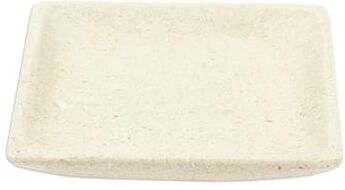
Novica Handmade Ecru Sophistication Marble PlateMexico's Sierra Family works with marble, a sturdy and precious material, to create sophisticated accents for your table. This time, they present a square plate in a refined ecru tone, polished for an elegant style and perfect for a minimalist touch.75,98 $*Shipping: 0,00 $Secure redirect to the provider
-
Touch of Class Floral Sophistication Wall Art Ivory , IvoryBeautiful blossoms unfurl a new level of Floral Sophistication within your space. With a dimensional layered design, the hand-finished metal wall sculpture features textured light ivory flowers with lovely blush centers, golden openwork blooms,...229,00 $*Shipping: 32,06 $Secure redirect to the provider
-
Is there a difference between nobility and elegance?
Yes, there is a difference between nobility and elegance. Nobility typically refers to a person's social status or rank, often associated with titles and hereditary privilege. On the other hand, elegance is more about grace, refinement, and sophistication in one's appearance, behavior, or style. While nobility can be a factor in someone being perceived as elegant, elegance can be achieved by anyone regardless of their social status. **
-
Where is custody regulated?
Custody is regulated at both the state and federal levels in the United States. Each state has its own laws and guidelines regarding child custody, which are typically based on the best interests of the child. Additionally, federal laws such as the Uniform Child Custody Jurisdiction and Enforcement Act (UCCJEA) help to ensure consistency and cooperation between states in custody matters. Overall, custody is a complex legal issue that is governed by a combination of state and federal laws. **
-
How is sick pay regulated?
Sick pay is regulated by a combination of federal, state, and local laws in the United States. The Family and Medical Leave Act (FMLA) requires certain employers to provide unpaid leave for medical reasons, including sickness. Some states and cities have also implemented paid sick leave laws that require employers to provide a certain amount of paid sick leave to employees. Additionally, some employers may offer sick pay as part of their company policies or collective bargaining agreements with unions. Overall, sick pay regulations can vary depending on the location and size of the employer. **
-
How are company holidays regulated?
Company holidays are regulated by the company's policies and procedures, which are typically outlined in the employee handbook or through communication from the human resources department. These policies may include information on the number of holidays provided, how they are determined (e.g. fixed holidays or floating holidays), and any eligibility criteria for employees to receive holiday pay. Additionally, company holidays may be regulated by federal or state labor laws, which may dictate minimum requirements for holiday pay and time off. Overall, company holidays are regulated through a combination of internal company policies and external legal regulations. **
Similar search terms for Regulated
-
Touch of Class "Nobility Rectangle Rug Beige, 3'10"" x 5'5"", Beige"Quatrefoil and medallion designs reign supreme on the Nobility Rug. This power-loomed, polyester area rug, .30 thick, has ornate motifs that decorate with elegant splendor. Colors include warm beige, deep brown, and ivory. We recommend professional...279,00 $*Shipping: 39,06 $Secure redirect to the provider
-
Saro Lifestyle "Modern Sophistication Woven Textured Stripe Table Runner - 16""x72"""Add a touch of sophistication to your table with this Woven Striped Table Runner. The intricately woven design showcases timeless stripes, creating a classic and elegant look.36,99 $*Shipping: 0,00 $Secure redirect to the provider
-
Martex Elegance Satin Sheet Set Silky Soft Smooth Luxury Bed SheetsBeauty Sleep Friendly: These sheets are soft on skin and gentle on hair, helping reduce hair breakage and friction. Satin bedding transforms your sleep experience with a smooth, silky feel that elevates nightly comfort.28,99 $*Shipping: 0,00 $Secure redirect to the provider
-
Touch of Class "Nobility Rectangle Rug Beige, 5'3"" x 7'6"", Beige"Quatrefoil and medallion designs reign supreme on the Nobility Rug. This power-loomed, polyester area rug, .30 thick, has ornate motifs that decorate with elegant splendor. Colors include warm beige, deep brown, and ivory. We recommend professional...499,00 $*Shipping: 69,86 $Secure redirect to the provider
-
How can they be regulated?
They can be regulated through government policies and regulations that set standards for their production, distribution, and use. This can include laws that limit the amount of pollutants they can emit, require the use of certain technologies to reduce environmental impact, or mandate reporting and monitoring of their operations. Additionally, industry-specific regulations and oversight bodies can help ensure compliance with these regulations and hold companies accountable for any violations. Public pressure and consumer demand for more sustainable practices can also influence companies to self-regulate and adopt more environmentally friendly policies. **
-
How is enzyme activity regulated?
Enzyme activity is regulated through various mechanisms such as allosteric regulation, covalent modification, and competitive inhibition. In allosteric regulation, molecules bind to specific sites on the enzyme, causing a conformational change that either activates or inhibits the enzyme's activity. Covalent modification involves the addition or removal of chemical groups, such as phosphorylation or dephosphorylation, which can alter the enzyme's activity. Competitive inhibition occurs when a molecule competes with the substrate for binding to the enzyme's active site, thereby reducing the enzyme's activity. These regulatory mechanisms allow cells to control enzyme activity in response to changing environmental conditions and metabolic demands. **
-
Should meat consumption be regulated?
Meat consumption should be regulated to some extent in order to address environmental, health, and ethical concerns. The meat industry is a major contributor to greenhouse gas emissions and deforestation, so regulating consumption could help mitigate these impacts. Additionally, excessive meat consumption has been linked to various health issues, so regulation could help promote healthier dietary choices. From an ethical standpoint, regulating meat consumption could also help address animal welfare concerns. However, it's important to balance regulation with individual choice and cultural practices. **
-
What is a regulated activity?
A regulated activity is an economic or financial activity that is subject to oversight and regulation by a government authority or regulatory body. These activities are typically considered to be of significant importance to the functioning of the economy or the protection of consumers, and therefore require specific rules and standards to be followed. Examples of regulated activities can include banking, insurance, investment services, and healthcare. Compliance with regulations is necessary to ensure the safety, stability, and integrity of these industries. **
* All prices are inclusive of VAT and, if applicable, plus shipping costs. The offer information is based on the details provided by the respective shop and is updated through automated processes. Real-time updates do not occur, so deviations can occur in individual cases. ** Note: Parts of this content were created by AI.