Buy edelleute.eu ?
We are moving the project
edelleute.eu .
Are you interested in purchasing the domain
edelleute.eu ?
domain@kv-gmbh.de · 0541-91531010
Buy edelleute.eu ?
Why are demonstrative pronouns called demonstrative pronouns?
Demonstrative pronouns are called demonstrative because they demonstrate or point to a specific noun or pronoun in a sentence. They help to indicate the position or location of the noun or pronoun in relation to the speaker or listener. By using demonstrative pronouns such as "this," "that," "these," and "those," speakers can make their communication more precise and clear by specifying which person, place, thing, or idea they are referring to. **
What are demonstrative pronouns and relative pronouns?
Demonstrative pronouns are pronouns that are used to point to specific things or people. Examples of demonstrative pronouns include "this," "that," "these," and "those." Relative pronouns are pronouns that introduce dependent clauses and connect them to independent clauses. Examples of relative pronouns include "who," "whom," "whose," "which," and "that." **

Similar search terms for Pronouns
Top-Angebote
Products related to Pronouns:
-
Touch of Class Floral Sophistication Wall Art Ivory , IvoryBeautiful blossoms unfurl a new level of Floral Sophistication within your space. With a dimensional layered design, the hand-finished metal wall sculpture features textured light ivory flowers with lovely blush centers, golden openwork blooms,...229,00 $*Shipping: 32,06 $Secure redirect to the provider
-
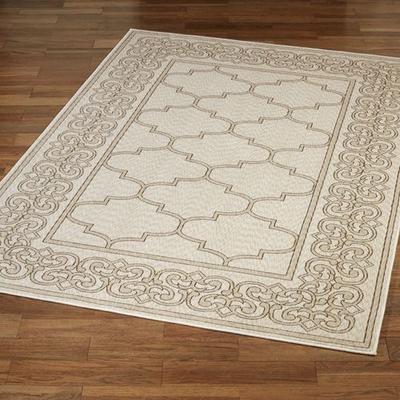
Touch of Class "Nobility Rectangle Rug Beige, 3'10"" x 5'5"", Beige"Quatrefoil and medallion designs reign supreme on the Nobility Rug. This power-loomed, polyester area rug, .30 thick, has ornate motifs that decorate with elegant splendor. Colors include warm beige, deep brown, and ivory. We recommend professional...279,00 $*Shipping: 39,06 $Secure redirect to the provider
-
Inspire Select Radiant Elegance Diamond Accent Women's Quartz Luxury Watch redTurn every moment into a statement of grace and confidence with this stunning diamond womens watch designed to capture attention effortlessly. Crafted for women who appreciate refined style and everyday versatility, this elegant timepiece blends...99,98 $*Shipping: 0,00 $Secure redirect to the provider


-
With which pronouns do many people confuse reflexive pronouns?
Many people confuse reflexive pronouns with personal pronouns. For example, they may use "myself" or "yourself" instead of "me" or "you" in a sentence. This confusion often occurs when people are trying to emphasize the subject of the sentence, but they mistakenly use a reflexive pronoun instead of a personal pronoun. It's important to understand the difference between reflexive and personal pronouns in order to use them correctly in sentences. **
-
What are pronouns?
Pronouns are words that are used in place of nouns to avoid repetition in a sentence. They can refer to people, places, things, or ideas. Pronouns help make sentences clearer and more concise by replacing specific nouns with general words like "he," "she," "it," "they," and "we." Using pronouns also helps to maintain the flow of writing and make it more engaging for the reader. **
-
What is the difference between personal pronouns and reflexive pronouns?
Personal pronouns are used to refer to people or things, such as "I," "you," "he," "she," "it," "we," and "they." Reflexive pronouns, on the other hand, are used when the subject and object of a sentence are the same person or thing, such as "myself," "yourself," "himself," "herself," "itself," "ourselves," and "themselves." Reflexive pronouns are used to reflect the action back onto the subject, while personal pronouns simply refer to the subject or object. **
-
Which pronouns do many people often confuse with reflexive pronouns?
Many people often confuse reflexive pronouns with intensive pronouns. Intensive pronouns are used to emphasize a preceding noun or pronoun, while reflexive pronouns are used when the subject and object of a sentence are the same. For example, "I myself will do it" uses an intensive pronoun, while "I hurt myself" uses a reflexive pronoun. It is important to understand the distinction between these two types of pronouns to use them correctly in sentences. **


What is the difference between relative pronouns and demonstrative pronouns?
Relative pronouns are used to connect a clause or phrase to a noun or pronoun. They include words like "who," "whom," "whose," "which," and "that." Demonstrative pronouns, on the other hand, are used to point out specific things or people. They include words like "this," "that," "these," and "those." While relative pronouns connect a clause to a noun, demonstrative pronouns simply point out or identify something. **
What is the difference between relative pronouns and interrogative pronouns?
Relative pronouns are used to connect a dependent clause to an independent clause, providing more information about a noun in the independent clause. They include words like "who," "which," and "that." Interrogative pronouns, on the other hand, are used to ask questions and gather information. They include words like "who," "what," "which," "whom," and "whose." The main difference between the two is their function in a sentence - relative pronouns connect clauses, while interrogative pronouns are used to ask questions. **
Top-Angebote
Products related to Pronouns:
-
RLF Home Nobility Glory Valance"Nobility Glory Valance. Decorator's quality fabric. Fully lined with ivory poly/cotton goods. 3"" rod pocket fits a window up to 48""W. Use a 2-1/2"" contintal rod, regular 3/4"" rod, tension rod or decorative pole up to 1-3/8"" diameter."76,99 $*Shipping: 0,00 $Secure redirect to the provider
-
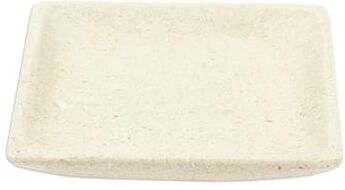
Novica Handmade Ecru Sophistication Marble PlateMexico's Sierra Family works with marble, a sturdy and precious material, to create sophisticated accents for your table. This time, they present a square plate in a refined ecru tone, polished for an elegant style and perfect for a minimalist touch.75,98 $*Shipping: 0,00 $Secure redirect to the provider
-
Touch of Class Floral Sophistication Wall Art Ivory , IvoryBeautiful blossoms unfurl a new level of Floral Sophistication within your space. With a dimensional layered design, the hand-finished metal wall sculpture features textured light ivory flowers with lovely blush centers, golden openwork blooms,...229,00 $*Shipping: 32,06 $Secure redirect to the provider
-
Why are demonstrative pronouns called demonstrative pronouns?
Demonstrative pronouns are called demonstrative because they demonstrate or point to a specific noun or pronoun in a sentence. They help to indicate the position or location of the noun or pronoun in relation to the speaker or listener. By using demonstrative pronouns such as "this," "that," "these," and "those," speakers can make their communication more precise and clear by specifying which person, place, thing, or idea they are referring to. **
-
What are demonstrative pronouns and relative pronouns?
Demonstrative pronouns are pronouns that are used to point to specific things or people. Examples of demonstrative pronouns include "this," "that," "these," and "those." Relative pronouns are pronouns that introduce dependent clauses and connect them to independent clauses. Examples of relative pronouns include "who," "whom," "whose," "which," and "that." **
-
With which pronouns do many people confuse reflexive pronouns?
Many people confuse reflexive pronouns with personal pronouns. For example, they may use "myself" or "yourself" instead of "me" or "you" in a sentence. This confusion often occurs when people are trying to emphasize the subject of the sentence, but they mistakenly use a reflexive pronoun instead of a personal pronoun. It's important to understand the difference between reflexive and personal pronouns in order to use them correctly in sentences. **
-
What are pronouns?
Pronouns are words that are used in place of nouns to avoid repetition in a sentence. They can refer to people, places, things, or ideas. Pronouns help make sentences clearer and more concise by replacing specific nouns with general words like "he," "she," "it," "they," and "we." Using pronouns also helps to maintain the flow of writing and make it more engaging for the reader. **
Similar search terms for Pronouns
-
Touch of Class "Nobility Rectangle Rug Beige, 3'10"" x 5'5"", Beige"Quatrefoil and medallion designs reign supreme on the Nobility Rug. This power-loomed, polyester area rug, .30 thick, has ornate motifs that decorate with elegant splendor. Colors include warm beige, deep brown, and ivory. We recommend professional...279,00 $*Shipping: 39,06 $Secure redirect to the provider
-
Inspire Select Radiant Elegance Diamond Accent Women's Quartz Luxury Watch redTurn every moment into a statement of grace and confidence with this stunning diamond womens watch designed to capture attention effortlessly. Crafted for women who appreciate refined style and everyday versatility, this elegant timepiece blends...99,98 $*Shipping: 0,00 $Secure redirect to the provider
-
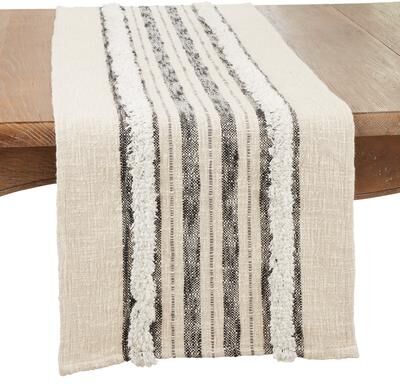
Saro Lifestyle "Modern Sophistication Woven Textured Stripe Table Runner - 16""x72"""Add a touch of sophistication to your table with this Woven Striped Table Runner. The intricately woven design showcases timeless stripes, creating a classic and elegant look.36,99 $*Shipping: 0,00 $Secure redirect to the provider
-
Inspire Essentials Elegance Gold Stainless Steel Women Watch Luxury Quartz Bracelet bTimeless style speaks before you do. This gold stainless steel women watch blends refined elegance with modern simplicity, making it the perfect statement for both business and everyday wear. Designed as a sophisticated luxury women quartz watch, it...81,50 $*Shipping: 0,00 $Secure redirect to the provider
-
What is the difference between personal pronouns and reflexive pronouns?
Personal pronouns are used to refer to people or things, such as "I," "you," "he," "she," "it," "we," and "they." Reflexive pronouns, on the other hand, are used when the subject and object of a sentence are the same person or thing, such as "myself," "yourself," "himself," "herself," "itself," "ourselves," and "themselves." Reflexive pronouns are used to reflect the action back onto the subject, while personal pronouns simply refer to the subject or object. **
-
Which pronouns do many people often confuse with reflexive pronouns?
Many people often confuse reflexive pronouns with intensive pronouns. Intensive pronouns are used to emphasize a preceding noun or pronoun, while reflexive pronouns are used when the subject and object of a sentence are the same. For example, "I myself will do it" uses an intensive pronoun, while "I hurt myself" uses a reflexive pronoun. It is important to understand the distinction between these two types of pronouns to use them correctly in sentences. **
-
What is the difference between relative pronouns and demonstrative pronouns?
Relative pronouns are used to connect a clause or phrase to a noun or pronoun. They include words like "who," "whom," "whose," "which," and "that." Demonstrative pronouns, on the other hand, are used to point out specific things or people. They include words like "this," "that," "these," and "those." While relative pronouns connect a clause to a noun, demonstrative pronouns simply point out or identify something. **
-
What is the difference between relative pronouns and interrogative pronouns?
Relative pronouns are used to connect a dependent clause to an independent clause, providing more information about a noun in the independent clause. They include words like "who," "which," and "that." Interrogative pronouns, on the other hand, are used to ask questions and gather information. They include words like "who," "what," "which," "whom," and "whose." The main difference between the two is their function in a sentence - relative pronouns connect clauses, while interrogative pronouns are used to ask questions. **
* All prices are inclusive of VAT and, if applicable, plus shipping costs. The offer information is based on the details provided by the respective shop and is updated through automated processes. Real-time updates do not occur, so deviations can occur in individual cases. ** Note: Parts of this content were created by AI.